Hourly ·
Trump says AI data centers must stay in America. American voters just rejected them.
Trump threatened a "tremendous tax" on U.S. companies that build AI data centers abroad, seventeen days after voters in at least 40 jurisdictions approved moratoriums on building them at home.
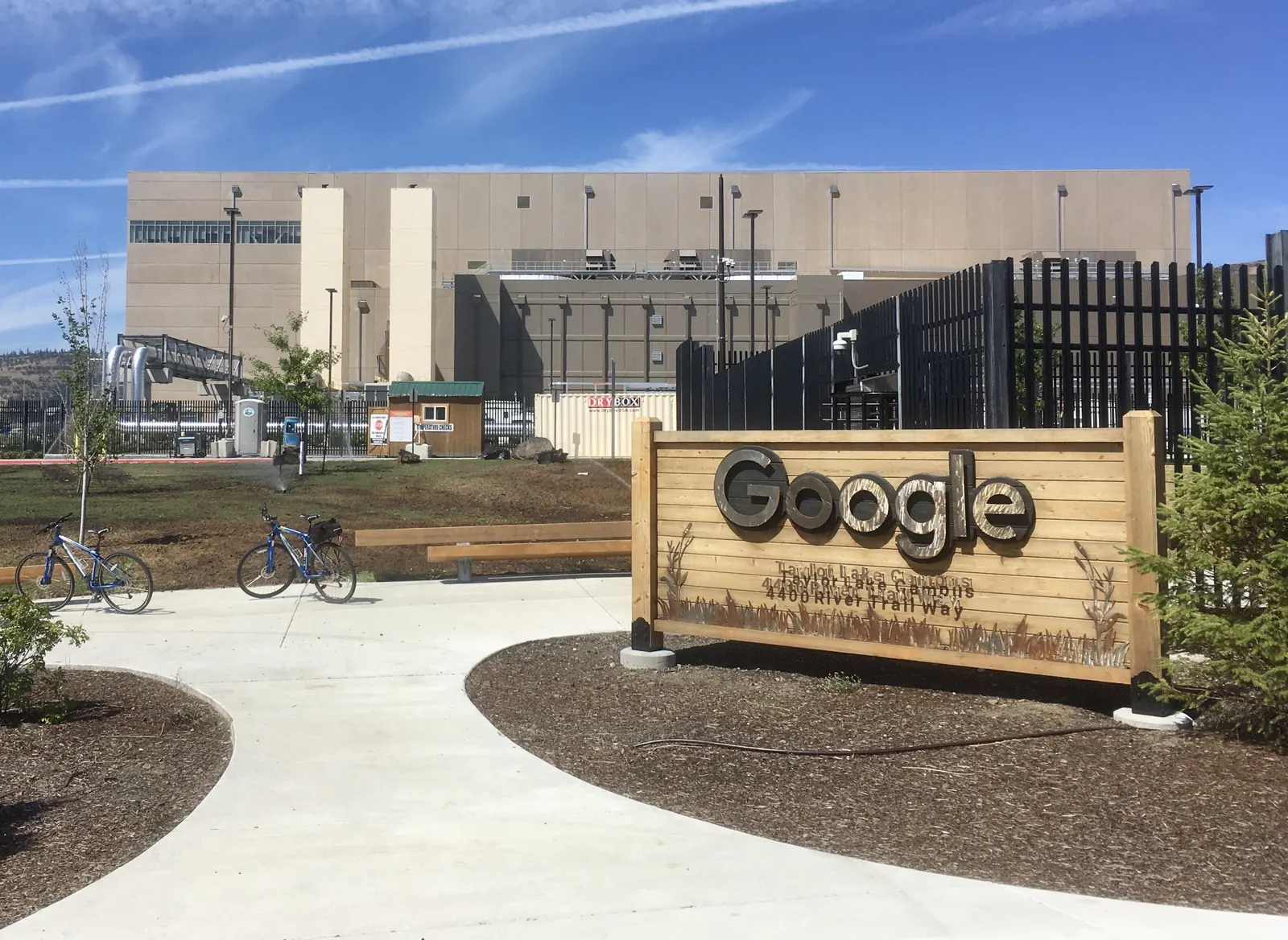
On Friday, in a briefing-room appearance after his trip to Asia, Donald Trump told reporters that he would bar American companies from building artificial intelligence data centers abroad. The BBC reported that he said he would ban US firms from building AI data centres overseas, and that those who did would face "a tremendous tax."
"We're going to keep it all in this country," Trump said. "We're not going to allow our companies to build data centres outside of our country. Because China will take all of them, and we're not allowing that to happen."
The policy was news to the people who would have to carry it out. "I don't know if that's a breaking story, but I haven't even said that to my people," Trump said. "But I'm telling them now, they're here."
That is the whole of it: an intention, announced aloud, with no mechanism attached. Meta and Google have already signed agreements to build data centres overseas. Canada has been offering itself as an alternative site with less local resistance. Trump singled out a build in Finland. It remains unclear how such a policy would be enforced, or what would actually be taxed — the parent company, the project, the chips, or the power.
Then there is the timing, which is the part that makes the announcement strange.
Seventeen days earlier, on 3 November, data centers were on the ballot in at least 40 jurisdictions across 10 states, and voters approved nearly every moratorium and restriction put in front of them — dozens in total. In Ohio alone, at least 14 municipalities passed bans or restrictions, including Sunbury, where Amazon had proposed a $2 billion campus. Eight towns in Maine passed temporary moratoriums. Emporia, Kansas, where a 1,000-acre gigawatt-scale project had been floated, banned high-impact data centers. The one exception the Guardian found was Hardwood, North Dakota, population under 1,000, which voted the restrictions down.
Where the buildings were not on the ballot, the candidates against them won. Texas elected Gina Hinojosa governor on a promise of moratoriums. Georgia elected Keisha Lance Bottoms and Ohio elected Amy Acton on similar pledges. Ron DeSantis had already signed strict rules for large-scale data centers in Florida in May. The backlash is bipartisan, and it is local, and it is about noise, power bills, water and land.
Trump's answer to that was not to defend the projects. It was to tell the towns to charge for them. "You ought to take advantage of the data centers. Make them pay you, make them pay your community, but take advantage don't shut them off," he said. "We have a lot of places that want them badly, and they're great places. They have energy and they have everything. They're tremendous assets."
The scale he is trying to hold in place: about 3,000 data centers across the United States as of April, with another 1,500 in various stages of approval and construction, according to Pew Research Center figures cited by the BBC. The pipeline is half the size of the installed base. Every moratorium removes a piece of it.
The wall is not only at the county line. On Monday, Washington announced that firms would need a licence to buy advanced chips, so officials can monitor whether they are being used to serve Chinese companies or smuggled into China. That rule lands hardest on Southeast Asian countries that have invested heavily in data centers, as Chinese firms seek to rent computing power from outside the controls.
Read the two moves together and they point the same way. The licence regime treats advanced compute as a controlled substance that must be tracked across borders. Friday's remark treats the buildings that house it as domestic property that may not leave. The fear underneath both is not that China will seize an American data center. It is that the compute inside one will end up serving Chinese customers, and that the American buildout is financing capacity it does not control.
For three years the industry's logic was simple: compute goes where power is cheap, land is empty and permits are fast. The United States has now decided it cannot afford to let that logic run outward, in the same season its own counties have decided they do not want it running inward.
A tax can stop a company from leaving. It cannot make a county say yes.
特朗普要求人工智能数据中心留在美国。美国民众刚刚否决了。
特朗普威胁对在美国境外建造人工智能数据中心的美国企业征收“巨大税”,就在十七天前,至少有40个司法管辖区批准了暂停在境内建这些数据中心的禁令。
特朗普要求人工智能数据中心留在美国。美国民众刚刚否决了。特朗普威胁对在美国境外建造人工智能数据中心的美国企业征收“巨大税”,就在十七天前,至少有40个司法管辖区批准了暂停在境内建这些数据中心的禁令。图片来源:Lambtron,CC BY-S BY-SA 4.0 (许可) 在周五,他在亚洲访问后的简报室演讲中。
More Hourlies Stories
Content on Anagnorisis is summarized, paraphrased, and editorialized from publicly available sources for length and clarity. Original sources are linked where available. All trademarks belong to their respective owners.