Hourly ·
The word of 2026 is "human," and it is becoming a label you have to apply for.
Cambridge Dictionary named "human" its Word of the Year 2026, pointing to a rise in compounds like "human-made" as people try to mark what machines did not make. The honour lands as humanness acquires the machinery of a certification: trademarks, kitemarks, reserved jobs — and a queue of people who can afford them.
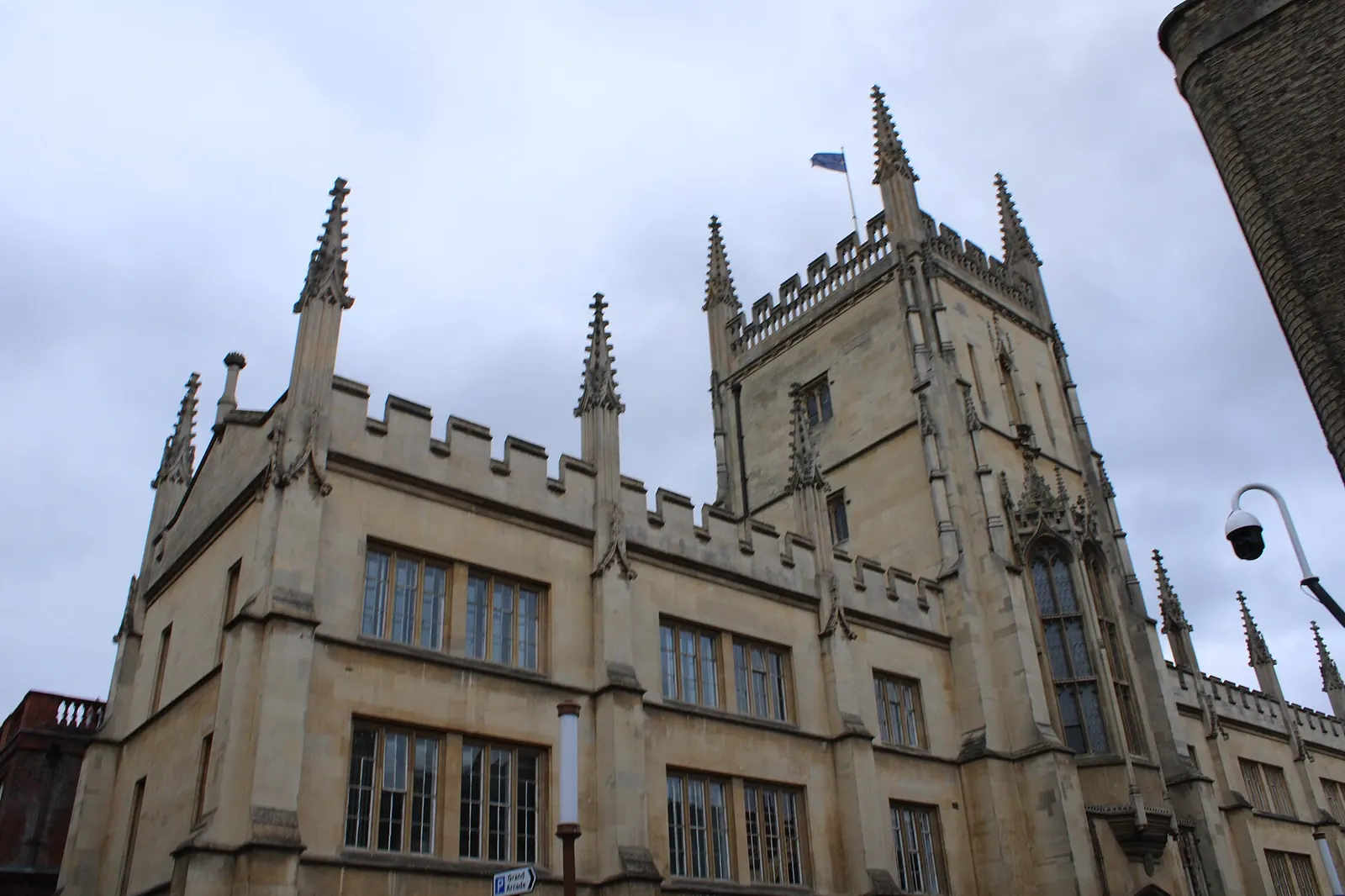
The word Cambridge Dictionary chose for 2026 is not new. It is not slang, not an internet coinage, not a term that arrived with a product launch. It has been in English since the Middle Ages, and its definition has barely moved over all that time: "having the qualities, faults, and feelings that people have, as opposed to gods, animals, or machines."
That last clause is the part now under pressure. On Wednesday, Cambridge Dictionary named "human" its Word of the Year 2026, a decision its editors framed as a response to a year of argument about where people end and machines begin. "AI is changing how we talk about being human," the lexicographer Colin McIntosh said. The evidence he cites is grammatical rather than philosophical. Compounds such as "human-made" are on the rise, he said, because the word "has come to distinguish works or qualities of people, as distinct from AI."
The shift is visible in the grammar. "Human" used to be a noun: the category you belonged to by birth. It is turning into an attributive adjective, a word you put in front of a thing to certify where the thing came from. Human-made. Human-authored. Human-written.
The rest of the shortlist reads like three positions on the same axis. "Agent" — Cambridge's definition is an AI system that can operate in a complicated way without human control. "Analogue" — activities that do not involve the internet. "Wholesome" — good for you, morally or emotionally. Alongside them the dictionary added "looksmaxxing" and "aura farming," both about manufacturing a self that others will admire, and earlier this month Collins picked "mogging," which means outperforming someone. A year's vocabulary, in other words, is largely about performance, ranking, and the machinery that now does both.
"Human" is the exception that names the rule. Every other word on those lists describes something the machines can do, or something people now do to compete with them. This one describes what is left when the competition is over.
Public figures spent the year drawing that boundary out loud. Bill Gates argued for "human reserved jobs," such as caregiving, that should never be taken by machines. Geoffrey Hinton, the Nobel laureate the university quotes, put it more bluntly: "We're creating alien beings. I'm willing to be selfish and choose humans." Pope Leo XIV's encyclical warned of new forms of "dehumanization" and a "pressing duty to remain profoundly human."
None of them described a fact about people. All of them described a reservation: a place where the machine stops. That is a different kind of claim, and it explains what happened next.
Humanness acquired paperwork. Matthew McConaughey trademarked clips of his voice and face and his catchphrase "alright, alright, alright" to pre-empt unauthorised digital reproduction. Taylor Swift filed to trademark her voice and image in April. The Authors Guild launched a "Human Authored" kitemark for books, backed by Mary Beard and Malorie Blackman. The Human Artistry Campaign organized actors and musicians around the same demand. Andy Weir, who wrote Project Hail Mary, wondered whether he might be "among the last generation of fully human writers."
Every one of these is a provenance label. That is a familiar move in the history of commerce. Nobody needed a word for "handmade" until machines could make the same object; nobody needed "organic" until industrial agriculture made the alternative the default. A provenance label appears at the moment the cheap substitute becomes hard to tell apart from the original, and its function is not to celebrate the original. It is to make the substitute legally and commercially separable.
Which is what makes the dictionary's choice more interesting than a feel-good headline. Cambridge is not recording a species. It is recording a reclassification. The definition has not changed; the use has. "Human" has moved from the noun you are to the adjective you present, and the people who can present it most convincingly are the ones with the most to protect.
A kitemark works for a book with a publisher. A trademark works for an actor with lawyers. For the caregiver whose job Gates wants reserved, the protection is a paragraph in an essay. And the same list of words to watch included FOBO — "fear of becoming obsolete" — with the note that four in ten American workers now say AI-driven job loss is one of their primary fears. The certification economy will sort them by who can afford the certificate.
None of this makes the word of the year wrong. It makes it accurate in a way dictionaries rarely manage. The word did not gain a new meaning; it gained a new job. It is now the adjective that tells you a thing was made by a person, at a moment when that is no longer something you can assume.
The machines can already write "I am only human" perfectly. That is exactly why the sentence is no longer free.
2026年的关键词是“人类”,它正成为一个你必须申请的标签。
清华大学辞典将“human”评为2026年度词,指出如“human-made”这类合成词频增,人们试图标记那些机器无法制造的东西。荣誉的降临表明人之为人的概念获得了认证所需的工具:商标、合格标志、预留职位——以及愿意为此排队的人。
2026年的关键词是“人类”,它正成为一个你必须申请的标签。清华大学辞典将“ “human”评为2026年度词,指出如“human-made”这类合成词频增,人们试图标记那些机器无法制造的东西。荣誉的降临表明人之为人的概念获得了认证所需的工具:商标、合格标志、预留职位——以及愿意为此排队的人。
More Hourlies Stories
Content on Anagnorisis is summarized, paraphrased, and editorialized from publicly available sources for length and clarity. Original sources are linked where available. All trademarks belong to their respective owners.