Hourly ·
The biggest IPO in history succeeded. Ninety percent of the S&P 500 fell anyway.
Anthropic raised $81.3 billion in the largest IPO in history and closed up 17%. The same day the Dow fell 1,101 points and more than 90% of the S&P 500 closed lower. The biggest deal ever did not create money; it moved it.
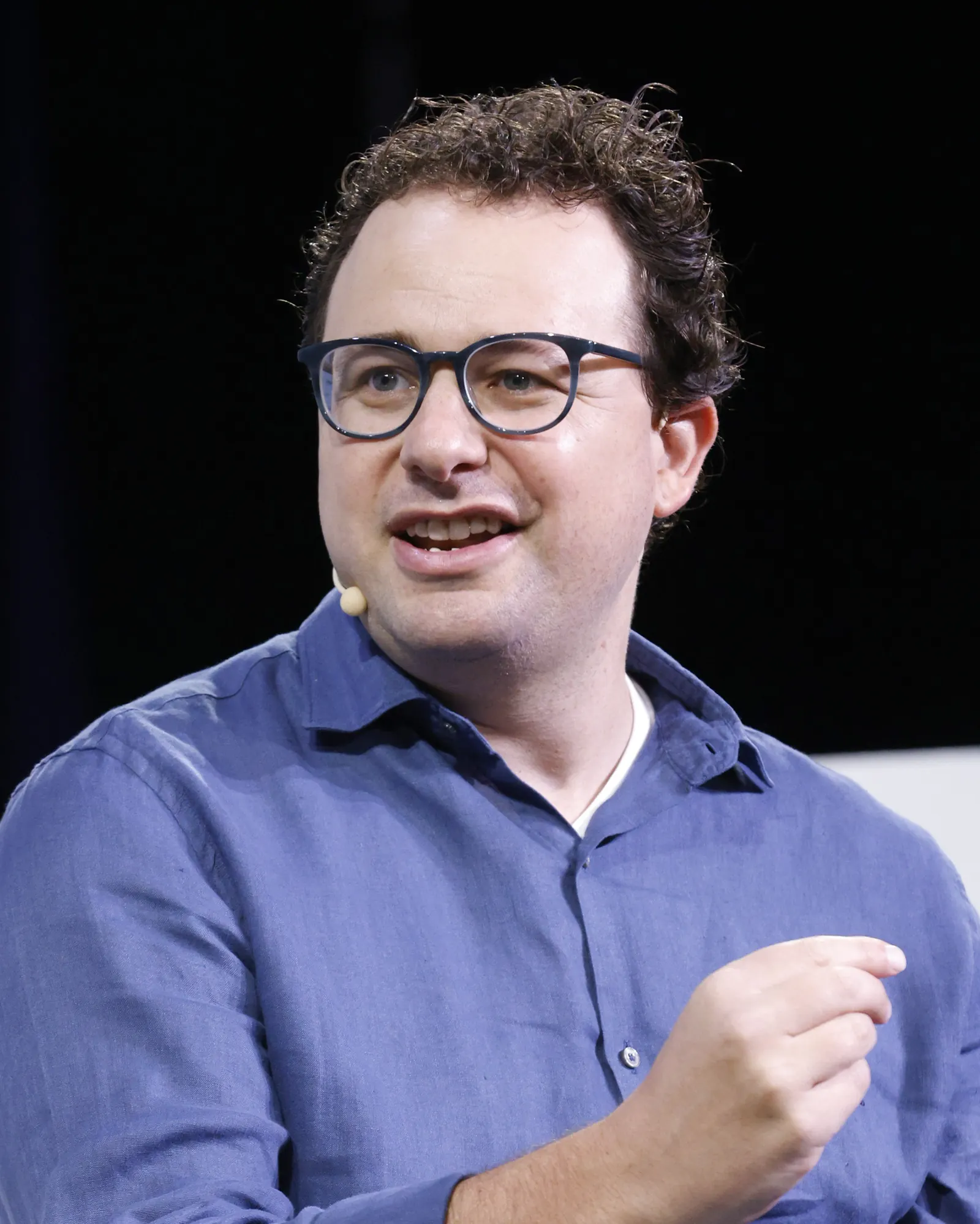
Within minutes of Thursday's opening bell, Anthropic was worth two trillion dollars. By four o'clock it was worth about $1.76 trillion, and the rest of the American stock market had fallen out from under it.
The maker of Claude raised $81.3 billion in the largest initial public offering in history: 980 million Class A shares at $83, after bankers lifted the price range from $70–$78 on demand. It cleared SpaceX's $75 billion listing in June. Add a concurrent $26 billion private placement from AMD, Broadcom, Google, Microsoft and Nvidia, and the total came to roughly $107 billion before a single share traded.
Then the shares traded. They opened at $111.50, 34% above the offer price, touched $114.99, and closed at $97.17 — up 17% on the day, and worth about $1.76 trillion.
On the same session, the Dow Jones Industrial Average fell 1,101 points, or 2.2%, to 49,097. The S&P 500 lost 2%, the Nasdaq 2.3%, and more than 90% of S&P 500 stocks closed lower. Nvidia surrendered an early gain of 4.7% and finished down 2.7%. CoreWeave went from plus 10.5% at midday to minus 5.5%. Micron, up 7.8% in the morning, closed down 1.8%. Alphabet fell 2.9% and Amazon 3.9%.
An $81 billion offering does not summon new capital into a market. It moves capital that is already in it. The buyers of a record number of new shares had to sell something to pay for them, and on Thursday the something was the trade they already owned: the chipmakers, the memory suppliers, the landlords renting out graphics processors by the hour.
"People just don't have much enthusiasm for this market, and rallies tend to bring out sellers instead of chasers," Adam Crisafulli of Vital Knowledge wrote in a research note.
That is the part the headline number hides. The offering was judged a success by the only measure it was built to meet — the shares sold, above the range, at record size — and the tape delivered a different verdict on everything adjacent to it.
The shape of the day matters more than its direction. A 34% opening pop that halves by the close is not a judgment on the company; it is an auction finding its price in public. "Both the jump from the offer price and the high volatility are not surprising, given the enormous potential of the company and the wildly different opinions about how profitable the company will become," Jay Ritter, who studies IPOs at the University of Florida, told CBS News.
Richard Whittle of the University of Salford put the longer question plainly. "Bubbles don't burst on the day of the largest deal," he said. "They burst later, if the positive future becomes suspect."
What that future requires is a comparison, and this company has none. "There's no obvious peer to compare it to," Neil Wilson of Saxo UK said. Asked what Anthropic is actually worth, he offered: "We'll have a stab at it. I don't think anyone really knows."
The nearest precedent is not encouraging in the short run. SpaceX jumped about 10% on its first day in June, reaching a $2.2 trillion valuation. Within a month it was trading below its debut price, and it has mostly fallen since. Of the 32 largest IPOs ever, more than half saw their shares drop by at least 50% at some point during their first year of trading, according to a Truist study cited by CBS News.
None of which makes Thursday a failure. Seven co-founders are now worth roughly $20 billion each on paper, and the company raised more in an afternoon than most governments spend on science in a year.
But the anxiety that produced the 2% selloff is not irrational, and the IPO did not answer it. Nvidia's chief executive resigned this month after reports of an affair with a woman suspected of being a Chinese spy, and the Commerce Department is moving to tighten export controls on AI chips. More than a trillion dollars went into the data-centre buildout in the past year. The return on that spending is still a promise.
The politics moved on the same day. At the APEC summit in China, President Trump repeated that he would not allow "any form of robust regulation" of artificial intelligence. Hours later, a bipartisan group of lawmakers formed the House AI Safety and Innovation Caucus. Anthropic has spent its short life arguing that the technology needs guardrails; its president, Daniela Amodei, said on Thursday that the company "had an AI safety team before we launched our first product," and that "AI carries real risks." Going public does not settle that argument. It gives the argument a share price.
The offering worked. The thesis is still unproven.
The market did not vote on artificial intelligence on Thursday. It voted on one company, and then it voted on everything else.
最大IPO成功,道指还是下跌超过1,100点。
最大的IPO在历史上取得了成功,尽管标准普尔500指数当天仍下跌了90%。人工智能公司Anthropic成功上市筹集了813亿美元,并上涨了17%。同一天,道琼斯指数却暴跌了1,101点,而超过90%的标准普尔500指数均出现下跌。这单最大交易并未创造财富;它只是转移了财富。
最大的IPO在历史上取得了成功。尽管如此,标准普尔500指数当天还是下跌了9 90%。人工智能公司Anthropic成功上市筹集了813亿美元,并上涨了17%。同一天,道琼斯指数却暴跌了1,101点,而超过90%的标准普尔500指数均出现下跌。这单最大交易并未创造财富;它只是转移了财富。图片来源:TechCrunch(CC BY 2.0 许可证)
More Hourlies Stories
Content on Anagnorisis is summarized, paraphrased, and editorialized from publicly available sources for length and clarity. Original sources are linked where available. All trademarks belong to their respective owners.