Hourly ·
United Airlines Drew a Line at AI Agents. The Agents Had Barely Arrived.
United will prohibit unauthorized third-party AI assistants from booking or servicing tickets across its site, app, agencies and aggregators, citing credential risk and a check-in rule only a human can satisfy. The first real fight over agentic commerce is not about capability. It is about permission.
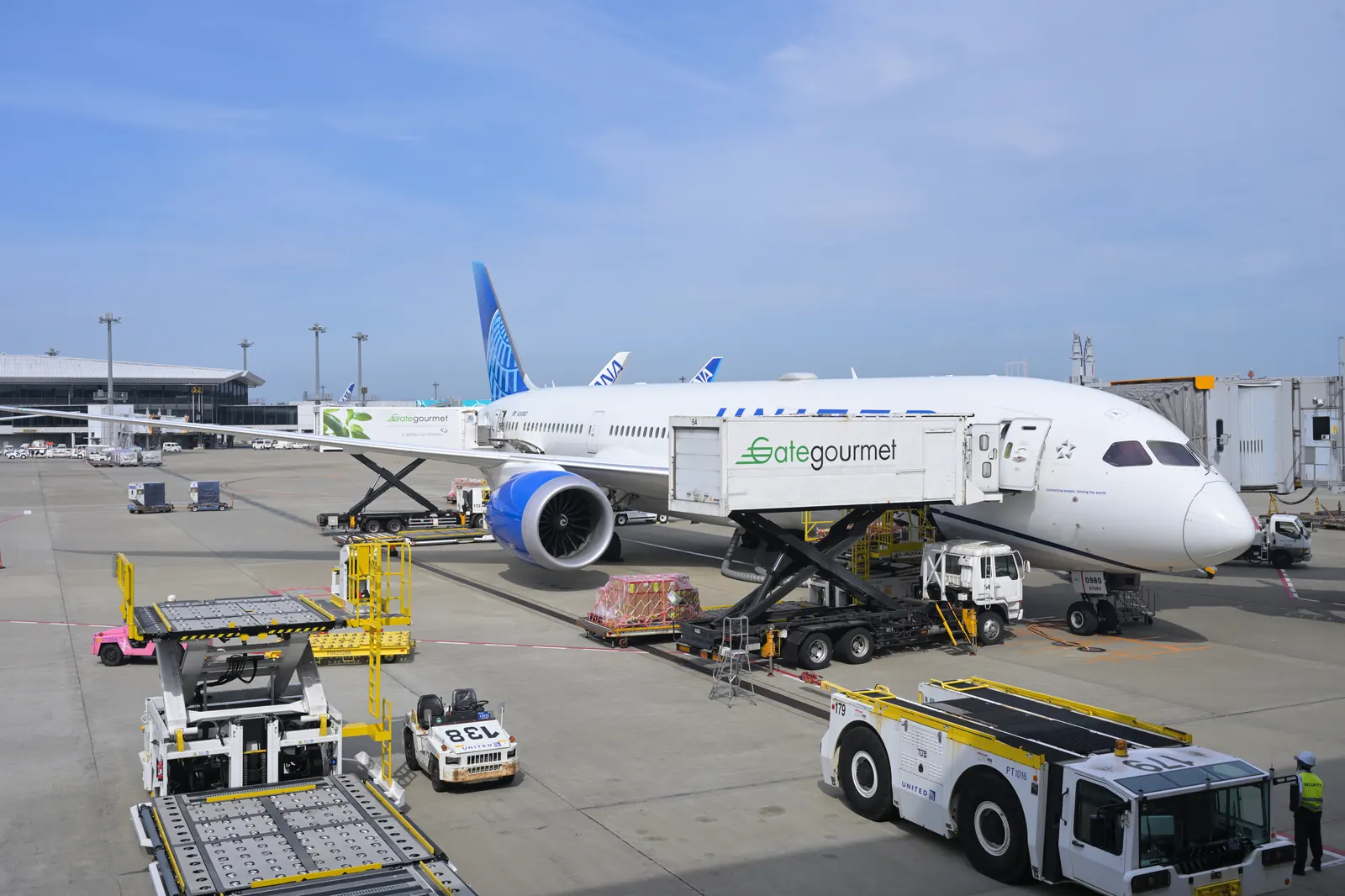
On Wednesday, United Airlines rewrote its booking and ticketing policies to exclude a new class of customer: the personal AI agent. The policy prohibits "unauthorized, third-party personal AI agents or assistants" from booking, changing, or servicing tickets, and it applies on United's own website and app as well as indirectly through travel agencies and flight aggregators.
The airline's stated reasons are practical. "Sharing account credentials with personal, third-party AI assistants can expose sensitive information," United said, "and actions taken by these tools may result in unintended purchases, account changes, or use of MileagePlus miles." There is also a regulatory floor beneath the commercial one. During check-in, a human must acknowledge that their bag does not contain explosives. An AI agent cannot make that acknowledgment, which means that in United's reading it cannot complete the part of the journey that happens at the counter.
That distinction matters. United is not arguing that agents are bad at searching. It is arguing that an agent cannot be the party of record for a regulated transaction. The customer can delegate the click. The customer cannot delegate the attestation.
The strategic motive is older than AI. "To be honest, I don't want to create another middleman," chief executive Scott Kirby said at an event on Tuesday, according to The Wall Street Journal. United already pays for attention and distribution through Google search, price-comparison sites, and online travel agencies. "Flight searches cost airlines money," the aviation analyst Henry Harteveldt told CBS News, "and undoubtedly United wants to avoid the expense associated with the surge of AI bot flight searches." His summary of the policy was blunter: United does not want "yet another, and potentially even more powerful, intermediary."
United is not alone, and the industry is not unanimous. JPMorgan Chase and Amazon have also moved to block third-party agents from acting on customer accounts. Southwest took the other road, making its inventory available inside ChatGPT so users can book through the assistant. The split is not about whether the technology works. It is about who owns the interface where the transaction happens.
The usage data suggests the fight is early. On its latest earnings call, Uber said it handled 320 million trips and deliveries during the week of Halloween. AI agents accounted for 500 Uber Eats orders and four rides. Four. Meta's Muse, one of the consumer agents driving the category, reached 10 million U.S. downloads in 40 days, and also demonstrated the risk United is pricing in, after it exposed a user's home address online.
That gap is the real story. Millions of people are willing to let an assistant read, summarize, compare, and recommend. Far fewer are willing to hand it a payment credential and a legal identity and let it commit them to a purchase. The agents can already do more than the market has asked them to do.
The checkout is where that changes, and it is the one place incumbents still control. A website's security model is built to separate humans from bots. An agent is neither. It arrives with a human's credentials, acts at a human's request, and produces a transaction the human may not have read. For an airline, that is not a browsing problem. It is a liability, an accounting question, and a customer-relationship problem arriving at once.
So the first significant act of the agentic-commerce era was not a launch. It was a door closing. United's policy will not stop agents from comparing flights, and it will not stop customers from booking them. It stops the agent from being the one who presses the button. In a year of demonstrations about what autonomous software can do, the more consequential question turned out to be who is allowed to say yes.
Sources: CBS News — United Airlines bans AI agents from booking flights on behalf of travelers, Engadget — United is restricting AI agents from booking flights, CNBC — JPMorgan moves to block AI agents from customer accounts, TechCrunch — Almost no one uses AI agents to book their Uber, company says, The Guardian — Meta's AI agent Muse leaked a user's home address
United Airlines Drew a Line at AI Agents. The Agents Had Barely Arrived.
United will prohibit unauthorized third-party AI assistants from booking or servicing tickets across its site, app, agencies and aggregators, citing credential risk and a check-in rule only a human can satisfy. The first real fight over agentic commerce is not about capability. It is about permission.
← Hourlies Hourly · 2026-11-12 00:00 UTC United Airlines Drew a Line at AI Agents. The Agents Had Barely Arrived. United will prohibit unauthorized third-party AI assistants from booking or servicing tickets across its site, app, agencies and aggregators, citing credential risk and a check-in rule only a human can satisfy. The first real fight over agentic commerce is not about capability. It is a
More Hourlies Stories
Content on Anagnorisis is summarized, paraphrased, and editorialized from publicly available sources for length and clarity. Original sources are linked where available. All trademarks belong to their respective owners.