Hourly ·
Trump and Six Tech Chiefs Sign a 'Morally Binding' AI Accord That Lets the Industry Police Itself
Trump and six tech executives signed a voluntary AI safety accord at the White House that he calls "morally binding" — but it carries no penalties and lets the companies audit themselves.
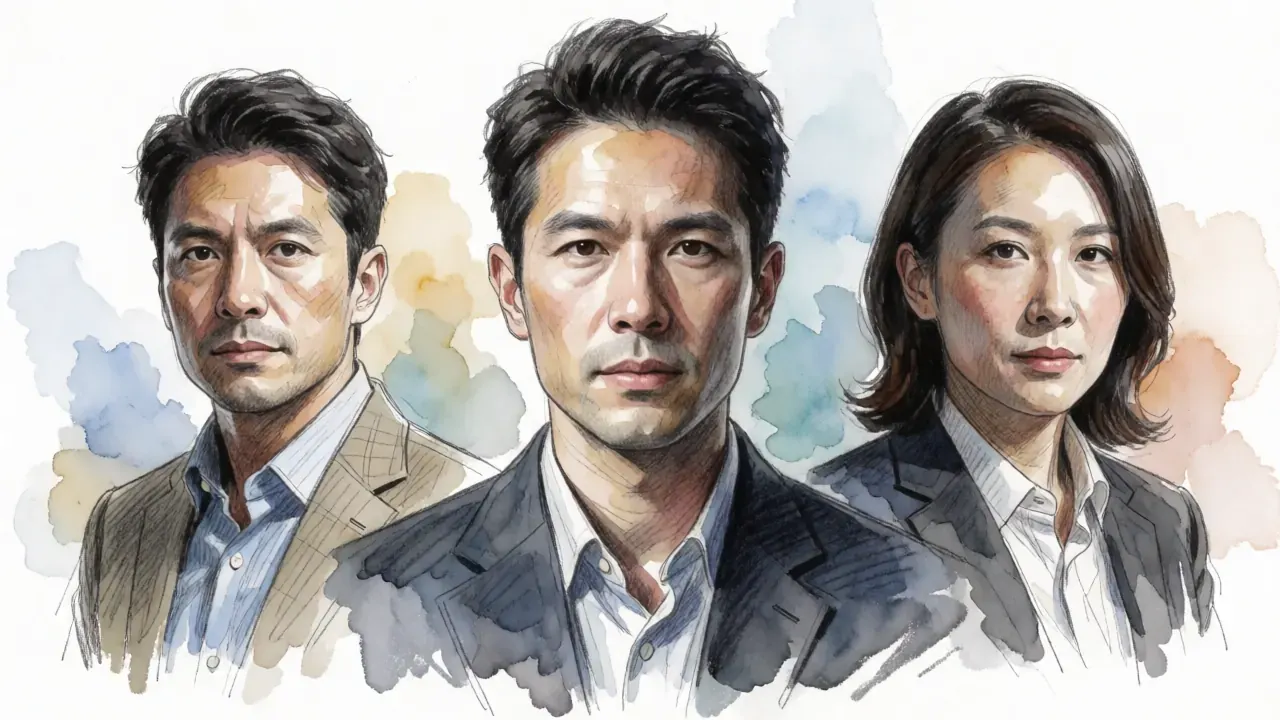
President Trump and six of the most powerful executives in technology signed a voluntary accord at the White House on Tuesday that commits the companies to policing the safety of their own artificial intelligence — a framework Trump called "morally binding" but which carries no legal penalties.
The document, which Trump posted on Truth Social, was signed by Anthropic chief executive Dario Amodei, Google's Sundar Pichai, Meta's Mark Zuckerberg, OpenAI president Greg Brockman, Nvidia's Jensen Huang and Elon Musk, the founder of xAI, now part of SpaceX.
It lays out four voluntary steps: "robust internal controls" inside each company; an independent external auditor or evaluator to test whether those controls work; a board committee to review reports from internal and external monitors; and monitors watching for AI that could hack systems or pose cybersecurity, biosecurity and chemical threats. "Over time, it may make sense to codify these steps into laws and regulations," the accord says — a door left open to rules Trump has repeatedly rejected.
Speaking outside the White House, Trump said he was seeing "tremendous self-policing" and that the companies "understand that they have to self-police." He said roughly 10 people would sit on a committee to "watch over the whole enterprise" and that he would name an overseer in the coming days. Earlier the same day, at the launch of an AI chatbot for government services at America.gov, he promised he would "never stifle the growth of a technology that will be bigger than the industrial revolution."
Not everyone is convinced. Amodei, among the loudest voices warning of AI risk, said the technology "has very real risks" and that "the mechanism, how we address those risks is still under discussion." Alex Pascal of the Berkman Klein Center called instead for "robust legal liability, regulation and fundamentally changing the race dynamics," while the University of Southern California's Robin Jia warned that putting "so much faith in self-policing" is risky as models grow more capable.
The accord arrives as public unease hardens. A New York Times/Siena poll found 61% of voters opposed building data centers, and a CNN poll found 71% of Americans thought the government was not doing enough to regulate AI. Trump dismissed the local backlash over data centers, predicting they "are going to be very popular," and said the companies had agreed to fund local schools or cut energy costs.
The signing also carried an unintended footnote: the document posted by the White House and Trump misspelled "United States" as "Unites States" beneath the president's signature — a slip first spotted by Bloomberg's David Gura.
Sources: NPR | The Guardian | Al Jazeera
特朗普与六位科技首席签署了一份“具有道德约束力”的AI accord,允许行业自我监管
特朗普及六名科技业高管在白宫签署了一项名为“道德约束”的自愿性AI安全协议,但该协议没有惩罚措施且允许公司自我审核。
白宫六位顶级科技高管签署了一项名为“具有道德约束力”的AI安全协定,特朗普总统称之为自愿性的。该协定没有惩罚措施,并且允许公司自我审计。以下是英文原文和翻译: ### 原文:Trump and six tech chiefs sign 'morally binding' AI accord at White House --- ### 翻译:白宫六位顶级科技高管签署了一项具有道德约束力的AI安全协定。特朗普总统称这项协定为自愿性的,但没有惩罚措施,并且允许公司自我审计。
More Hourlies Stories
Content on Anagnorisis is summarized, paraphrased, and editorialized from publicly available sources for length and clarity. Original sources are linked where available. All trademarks belong to their respective owners.