
Hourly ·
Paraguay's President Resigned. Congress Wouldn't Let Him.
Santiago Peña quit after Ueno Bank froze the savings of 3 million people. Then Congress adjourned without accepting it, and the fight became whether he leaves as a senator or a defendant.
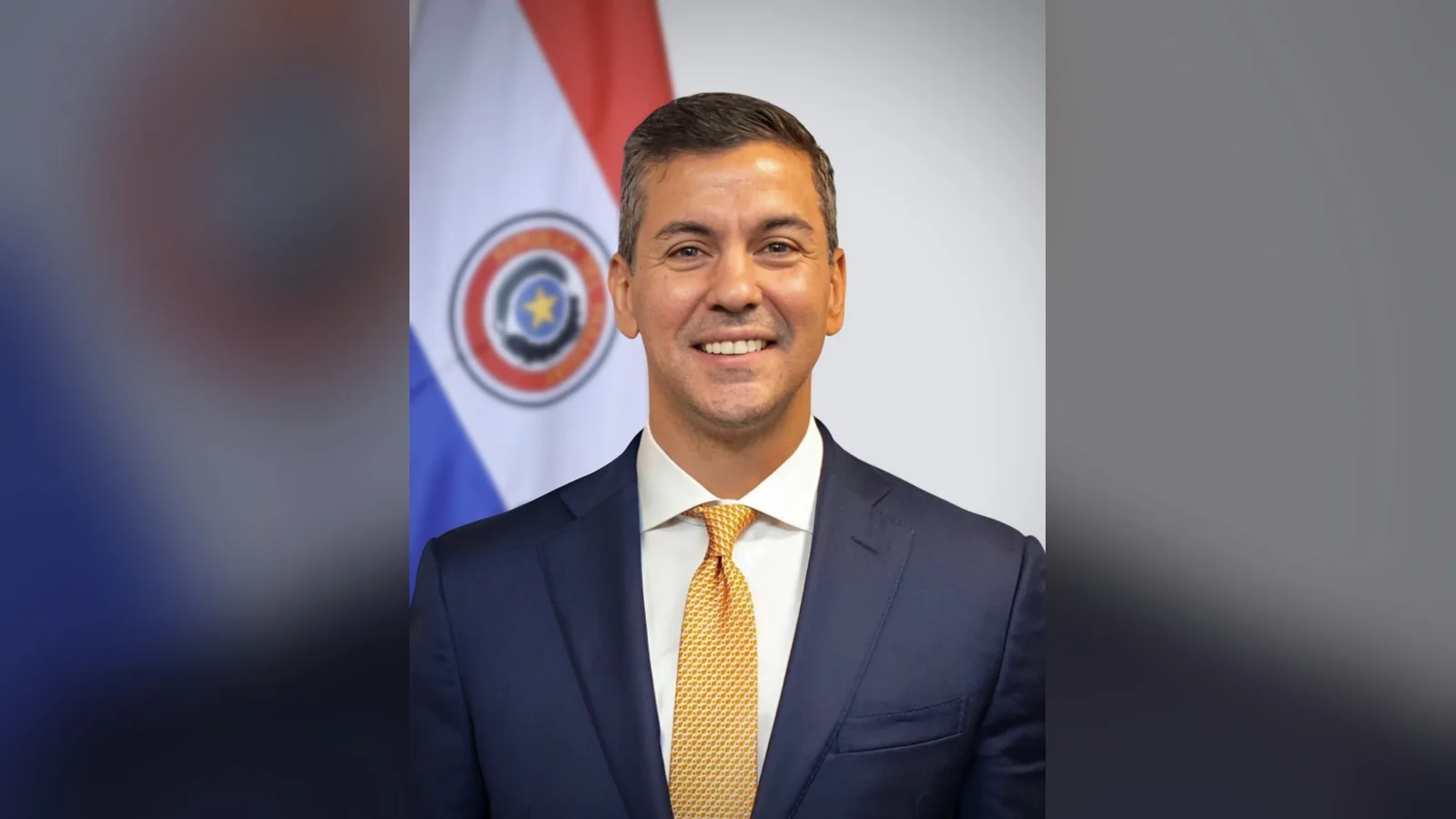
On Thursday afternoon, Santiago Peña sat in front of a camera and resigned the presidency of Paraguay. He said he was putting the republic before any person or circumstance. He apologised to anyone he had failed. He asked that the savings be returned.
An hour later, the Chamber of Deputies voted unanimously to impeach him.
That is not a contradiction in Paraguayan politics. It is the design of the moment. Under the constitution, a resignation is a trade: the president steps down and becomes a senator for life, with parliamentary immunity. An impeachment is a prosecution. The deputies wanted the second thing. They approved the charges and sent them to the Senate, where a two-thirds majority is needed to remove him.
Then a joint session of Congress met to consider the resignation and adjourned without a decision after lawmakers walked out mid-vote. So as of this writing, Peña is still, formally, the president of Paraguay. He has resigned. Congress has not let him. The Senate impeachment trial began on Thursday night and resumes on Friday.
The bank at the centre of it was not a marginal institution. Ueno Bank was, by its own count, the bank of 3 million people — about 60% of Paraguay's adult population — in a country of 6.1 million. It held between $800 million and $850 million in deposits from state and pension entities, including roughly $380 million from the Instituto de Previsión Social, the pension fund that pays most of the country's retirees.
How a digital bank became the country's wallet
Ueno began in the 1970s as a finance company. In 2021 it was bought by Grupo Vázquez, one of Paraguay's largest industrial conglomerates. At the end of 2023, already under Peña, it received central bank authorisation to operate as a digital bank. It grew the way consumer fintech grows: cash-back on groceries, sponsorship of the national football team, an app that asked people to trust it with their salary.
By the time it was big, it was also exposed. The central bank says Ueno's solvency ratio had fallen below 50% of the legal minimum, after adjustments to its financial statements, and that it had been lending to companies owned by the same group that owned the bank. On Tuesday at dawn, the central bank's board voted unanimously to intervene. The app stopped. The cards stopped. The branches closed.
The bank's president, Miguel Vázquez, and other executives were detained. The central bank's own president, Carlos Carvallo, said he had signed his resignation but would stay until the resolution was finished. He also said the problem was "a specific and isolated event" and that the rest of the financial system was solid. That may be true. It is also what the head of a central bank is supposed to say in the middle of a bank run.
The number that matters to a family
Paraguay's deposit guarantee fund covers up to 228 million guaraníes per person, about $38,200, or 75 minimum wages. Above that, depositors wait for the liquidation and whatever the balance allows.
For a pensioner with a lifetime of savings in an app, that ceiling is not a detail. It is the difference between an inconvenience and a ruin. By Thursday, queues had formed outside branches, and thousands of people had marched in Asunción. The national football team, which Ueno sponsored, published a letter demanding a "forceful response" from the government and the courts.
The conflict that made it political
The bank failure became a constitutional crisis because of who was connected to the bank.
Peña was a shareholder in Ueno Holding until April 2025. He says it was an investment, that he sold the shares, and that accusations of favouritism in directing state and pension money to the bank are a "false media campaign." When he took office in August 2023, he appointed Carvallo — then Ueno's chief executive — to run the central bank. The central bank says Carvallo stayed out of its supervisory decisions about Ueno. Critics say the arrangement was the problem.
On Wednesday, opposition lawmakers and dissidents from Peña's own Colorado Party filed an impeachment motion. The final push came from Horacio Cartes, the former president and Colorado boss, who had been Peña's most important backer. "We will not stand on the side of the theft of public, private and pensioners' funds," Cartes wrote. He endorsed removing Peña to restore "the institutional order of the republic."
That is the part worth sitting with. This was not an opposition coup against a president whose party held the line. It was the ruling party deciding, in public, that the president had become a liability to the party and the state.
What the resignation was for
The timing was not accidental. Had Congress accepted Peña's resignation, he would have left office as a senator for life, with immunity from ordinary prosecution. The impeachment path strips that. The Chamber of Deputies approved charges of "serious and systematic dereliction of duty" and sent them up. The Senate trial, which began on Thursday night, is expected to continue on Friday.
The attorney general, Emiliano Rolón Fernández, has opened three criminal cases covering the supervision and resolution of Ueno, the placement of public funds in it, and the conduct of officials across state institutions. No formal charges have been filed against Peña yet. He says he will appear at the trial and defend himself "with arguments and evidence."
His vice-president, Pedro Alliana, would take over if Peña leaves. Alliana has also been accused of involvement in the scandal, which he denies, and he paused his own presidential campaign this week, saying the party needed to "fix the house."
The larger fragility
Paraguay spent years positioning itself as a regional financial hub, leaning on the investment-grade status it won from two major rating agencies. It got there on stability and low taxes. Ueno was the opposite bet: a digital bank that scaled to most of the adult population in three years, on cash-back and football and an app, with a political ownership structure that made its failure impossible to contain inside the financial system.
A bank with 60% of adults as customers is not a company. It is infrastructure. When it fails, the loss is not distributed evenly — it lands on the households least able to absorb it, and it becomes the state's problem within hours. The guarantee fund was designed for a bank failure, not for a bank that had become the country's wallet.
The Senate will decide on Friday whether Peña is removed. The criminal cases will run for months. The depositors will get a staged payout and then an argument about what is left.
The bank went into resolution on Tuesday. By Thursday night, so had the presidency.
Sources: The Guardian — Paraguay's president quits after millions of people's savings frozen in bank crisis, CNN — President of Paraguay faces criminal investigation and impeachment after bank collapse, BBC Mundo — Ueno Bank: Paraguay interviene uno de los mayores bancos del país y deja congelados los ahorros de millones de clientes
Paraguay's President Resigned. Congress Wouldn't Let Him.
Santiago Peña quit after Ueno Bank froze the savings of 3 million people. Then Congress adjourned without accepting it, and the fight became whether he leaves as a senator or a defendant.
← Hourlies Hourly · 2026-11-06 00:00 UTC Paraguay's President Resigned. Congress Wouldn't Let Him. Santiago Peña quit after Ueno Bank froze the savings of 3 million people. Then Congress adjourned without accepting it, and the fight became whether he leaves as a senator or a defendant. On Thursday afternoon, Santiago Peña sat in front of a camera and resigned the presidency of Paraguay.
More Hourlies Stories
Content on Anagnorisis is summarized, paraphrased, and editorialized from publicly available sources for length and clarity. Original sources are linked where available. All trademarks belong to their respective owners.