
Hourly ·
Total Solar Eclipse Sweeps Across Europe as Perseid Meteor Shower Peaks
A rare celestial double feature unfolds August 12, 2026: the year's only total solar eclipse darkens skies from the UK to southern Europe — the continent's best since 1999 — while the Perseid meteor shower reaches peak activity with up to 100 meteors per hour.
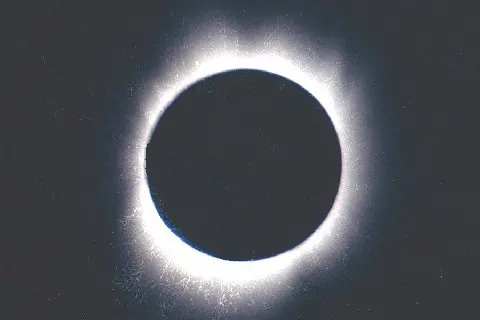
Skywatchers are in for a rare celestial double-header on Wednesday, August 12, as 2026's only total solar eclipse sweeps across Europe on the same day the Perseid meteor shower reaches its peak.
The path of totality stretches from the North Atlantic across the United Kingdom, Spain, and parts of southern Europe, plunging daytime into twilight for millions. The UK is experiencing its best eclipse since 1999, with the Moon blocking the Sun for several minutes across a wide corridor. Southern England, the Midlands, and parts of Wales fall within the path of totality.
For those outside the totality zone — including nearly all of North America — a partial solar eclipse will still be visible, with the Moon taking a noticeable bite out of the Sun. New York City will see roughly 15% coverage, while cities further north and west will catch a smaller sliver.
As if that weren't enough, the Perseid meteor shower — widely considered the most dramatic annual meteor display — reaches its peak on the very same night. Under dark skies away from city lights, viewers can expect up to 100 meteors per hour streaking across the sky. NASA is hosting live viewing events and streaming coverage for those who can't get outside.
The coincidence of a total solar eclipse and a major meteor shower peak on the same calendar day is exceptionally rare. The last time anything comparable occurred was decades ago, and astronomers say the next such alignment is not expected for many years.
The total eclipse began over the Atlantic Ocean in the morning hours and will conclude near sunset over the Mediterranean. Timing varies by location — UK viewers saw maximum coverage mid-morning, while Spanish observers experienced totality in the early afternoon.
欧洲全食席卷而来 precisely与此同时 爪鱼流星雨达到峰值
2026年8月12日,难得一见的双星奇观上演:从英国到南欧,唯有这一年发生的一次日食将天空笼罩在黑暗中——这是欧洲大陆近20年以来的最佳时刻;与此同时,狮子座流星雨达到峰值活动,每小时可能出现多达100颗流星。
← 每小时播报 · 2026-08-12 04:00 UTC 欧洲上演罕见双星奇观:总日食横扫欧洲,流星雨达到顶峰。8月12日,2026年的唯一一次全食覆盖英国至南欧的天空 —— 这是自19 1999年以来欧洲大陆上最佳的一次;而同样的8月12日,人们将迎来一年一度的双子座流星雨活动高峰,每小时可能出现多达100颗流星。 图片来源:Me
More Hourlies Stories
Content on Anagnorisis is summarized, paraphrased, and editorialized from publicly available sources for length and clarity. Original sources are linked where available. All trademarks belong to their respective owners.