Hourly ·
The Paint That Cools Buildings Without Electricity — and 9 Other Technologies About to Change Everything
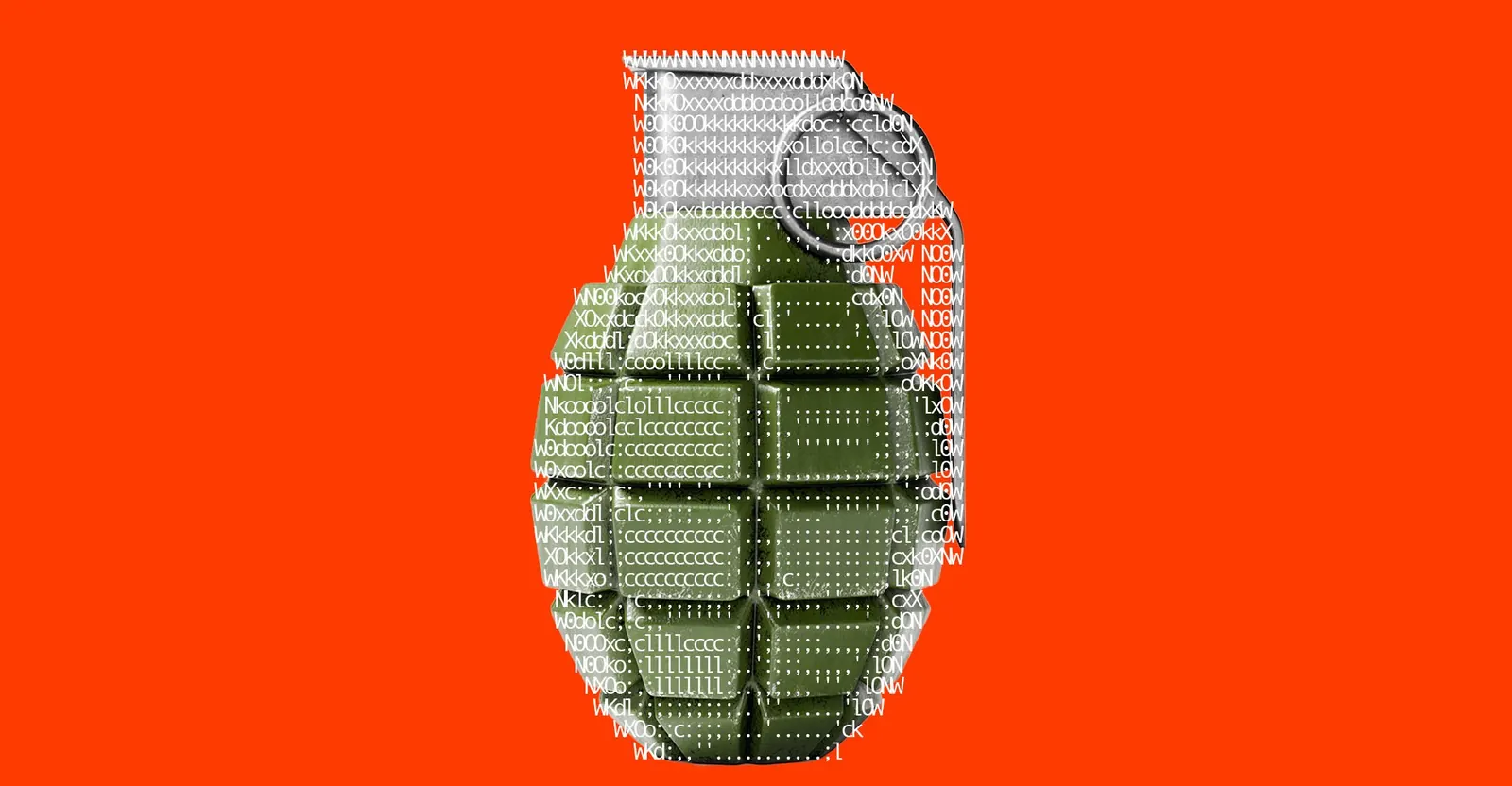
The World Economic Forum's 2026 emerging tech report signals a pivot from software to physical systems — materials that cool without power, microbes that brew protein, and buildings that feed the grid.
A new class of materials can cool surfaces below ambient temperature without consuming a single watt of electricity. They're already embedded in building codes, paints, films, and fabrics — and they just landed at #3 on the World Economic Forum's Top 10 Emerging Technologies of 2026.
The 14th edition of the report, co-published with scientific publisher Frontiers on June 23, marks a deliberate shift in the technology conversation. After years dominated by software-first AI, the WEF argues the breakthroughs with the greatest near-term impact are now physical: energy systems, drug pipelines, food production, and materials science.
Passive radiative cooling works by reflecting sunlight directly through the atmosphere and back into space. No compressors, no refrigerants, no grid connection. The report notes that wider adoption now depends on standardised testing protocols, integration into green building rating systems, and sustained regulatory momentum — not on proving the physics, which is already settled.
The rest of the list is equally grounded. At #1, "everything-to-grid" envisions electric vehicles and buildings as two-way energy assets, storing and returning power on demand. Direct lithium extraction (#2) pulls battery-grade lithium from brine in hours rather than months, without the land and water footprint of evaporation ponds. Precision fermentation (#5) programmes microbes to produce proteins and fats at industrial scale, decoupling food from climate and livestock. Exosome drug delivery (#6) engineers the body's own vesicles to carry therapeutics across the blood-brain barrier — over 200 clinical trials have launched since 2022. Quantum simulation for drug discovery (#8), world models for AI reasoning (#9), and lattice-based cryptography for post-quantum security (#10) round out a list that feels less like science fiction and more like an engineering checklist.
The unifying thread, according to the WEF, is that these technologies are becoming more personal (designed around one patient or one context), more distributed (producing food, energy, and materials closer to where they're needed), and more efficient (doing more with less — cooling without power, protein without herds, chemistry without persistent waste).
The underlying message: the tech race is moving off screens and into the physical systems that underpin modern economies.
Sources: SCI — Ten scientific breakthroughs getting ready to change the world, Frontiers — Tech race moves from AI to factories, hospitals, and power grids
建筑不用电力就能降温的涂料——以及即将改变一切的九种技术
世界经济论坛2026年新兴技术报告预示从软件转向物理系统——无需电力冷却材料,微生物酿造蛋白,建筑为电网供电。
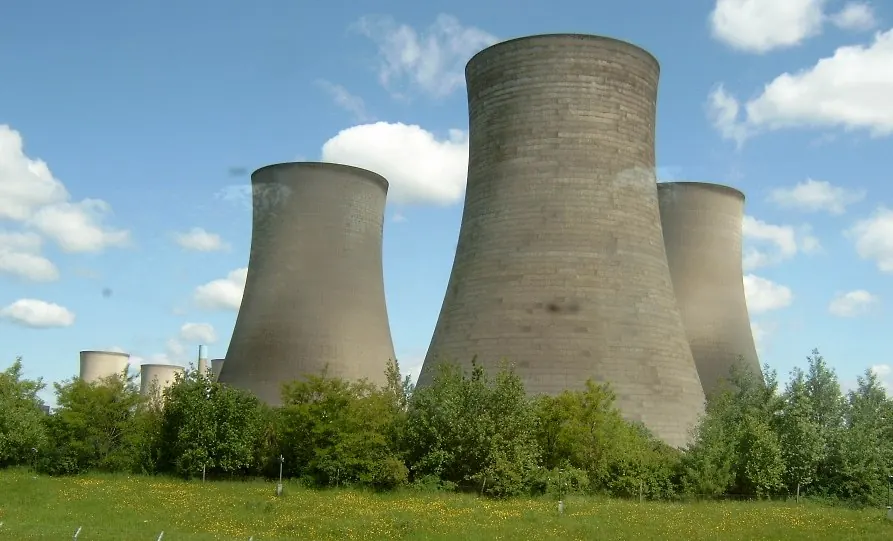
世界经济论坛2026年新兴技术报告预示着从软件转向物理系统——不依赖电力降温的涂料,无电酿造蛋白质的微生物以及能够为电网供电的建筑。图源:User:zootalures(Ow Owen Cliffe),CC BY-SA
More Hourlies Stories
Content on Anagnorisis is summarized, paraphrased, and editorialized from publicly available sources for length and clarity. Original sources are linked where available. All trademarks belong to their respective owners.