Hourly ·
South Korea Bets Nearly a Trillion Dollars on the AI Chip Future
President Lee Jae-myung unveils a $576 billion–$880 billion plan with Samsung and SK Hynix to build chip hubs, data centers, and robotics infrastructure — the largest industrial strategy in South Korean history.
On June 29, South Korean President Lee Jae-myung stood flanked by the chairmen of Samsung and SK Hynix and laid down the country's biggest industrial bet ever: at least $576 billion — and potentially close to $1.2 trillion — to lock in global AI chip dominance.
Dubbed the "Three Mega Projects," the plan targets a "triple axis" of semiconductors, physical AI, and AI data centers. Samsung and SK Hynix will invest 800 trillion won with suppliers to build two chip fabrication sites each in South Korea's south-west region, far from the crowded Seoul metropolitan area where most advanced factories currently sit. A further 81 trillion won is earmarked for a chip packaging cluster in the Chungcheong area.
"We must secure the core elements of AI faster than any other country," Lee said in a televised address. "Semiconductors, physical AI, and AI data centres are the triple axis for a great leap forward."
The scope is staggering. BBC pegs the total investment at $880 billion (£666 billion). CNA reports it as nearly US$1.2 trillion. The core chip fabrication portion — the figure Reuters and CNN cite — is $576 billion. However you count it, this dwarfs South Korea's previous industrial initiatives and puts it on a collision course with regional rivals Taiwan, China, and Japan, all pouring billions into their own chip ecosystems.
But the plan is about more than global competition. Lee framed it as a domestic survival strategy. Decades of industrial concentration in Seoul have hollowed out rural economies. "We must break this long-standing cycle of discrimination and marginalisation — not only for the sake of justice and equity, but also to ensure sustainable and inclusive growth," he wrote. The south-western city of Gwangju and South Jeolla province will get major chip production clusters, drawing on abundant, underused power.
The optics were deliberate. Lee appeared alongside Samsung Electronics chairman Jay Y. Lee and SK Group chairman Chey Tae-won — the two men who control the world's largest memory chipmakers and whose fabs supply Nvidia, Apple, and every AI company racing to build bigger models. The message: South Korea's government and its chaebol giants are moving as one.
The timing is no accident. Taiwan's TSMC is building fabs in Japan, Arizona, and Germany. China's SMIC is scaling despite US sanctions. Japan's Rapidus is targeting 2nm production. South Korea, which already produces over 60% of the world's memory chips, is signaling it won't be outspent.
The question now is execution. South Korea faces electricity constraints, a shrinking workforce, and the sheer logistics of building mega-fabs in regions with little semiconductor infrastructure. But if the plan even partially succeeds, it reshapes the geography of the global chip industry — and puts an exclamation mark on Asia's central role in the AI era.
Sources: BBC News, The Straits Times, CNA, CNN
韩国押注千亿美金在AI芯片未来
李晝Man总统公布与三星和SK海力士合作的总投资5760亿至8800亿美元的芯片中心、数据中心和机器人基础设施计划——这是韩国历史上最大规模的工业战略。
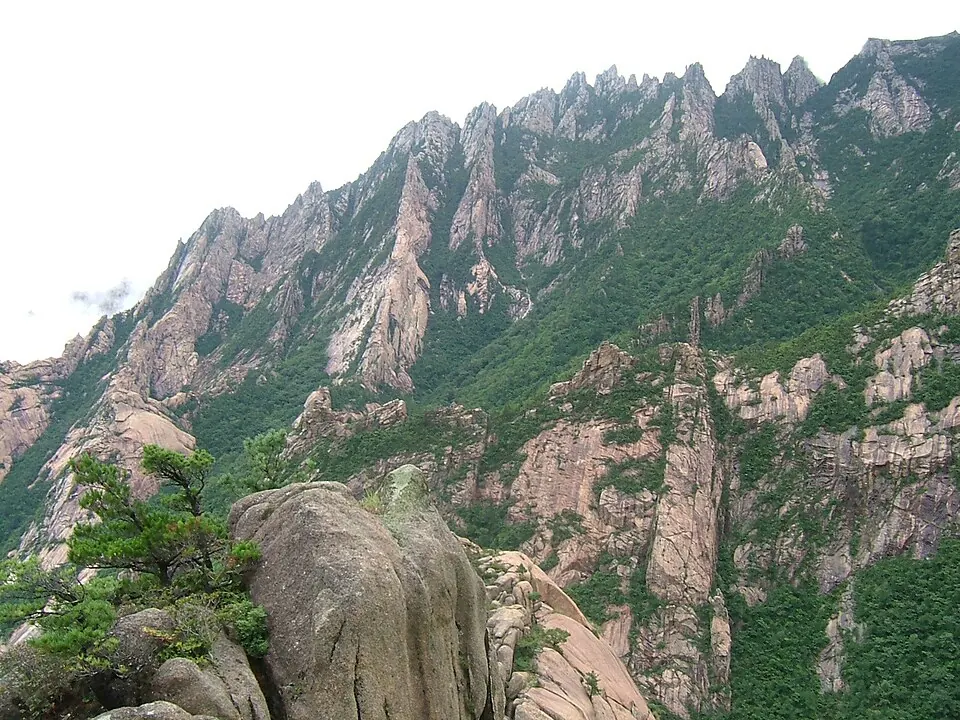
← 昨日版 · 2026-06-30 00:00 UTC 韩国 十亿美元押注人工智能芯片未来 韩国总统Lee Jae-myung宣布了一项与三星和SK Hynix合作的5760亿至8800亿美元计划,旨在建立芯片中心、数据中心和机器人基础设施——这是韩国历史上规模最大的工业战略。 图片: のりまき,公共领域(许可) 6月29日,韩国总统Lee Jae-myung宣布
More Hourlies Stories
Content on Anagnorisis is summarized, paraphrased, and editorialized from publicly available sources for length and clarity. Original sources are linked where available. All trademarks belong to their respective owners.