Hourly ·
SoftBank Son Says AI Will Need 5 Trillion Dollars a Year by 2040 Dismisses Bubble Talk
Masayoshi Son laid out an audacious vision at the annual SoftBank conference in Tokyo: 5 trillion dollars in annual AI investment, 100 trillion AI agents, and humanoid robots replacing human physical labor, all by 2040. He called bubble talk absurd.
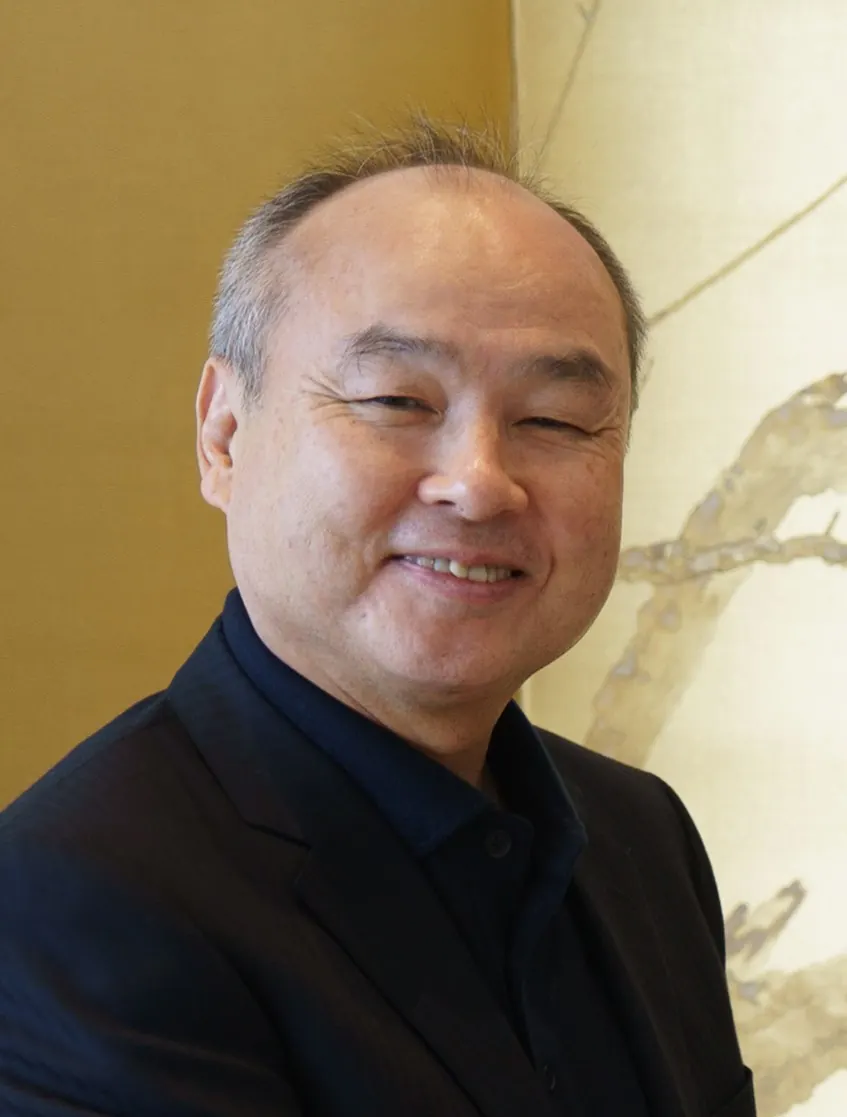
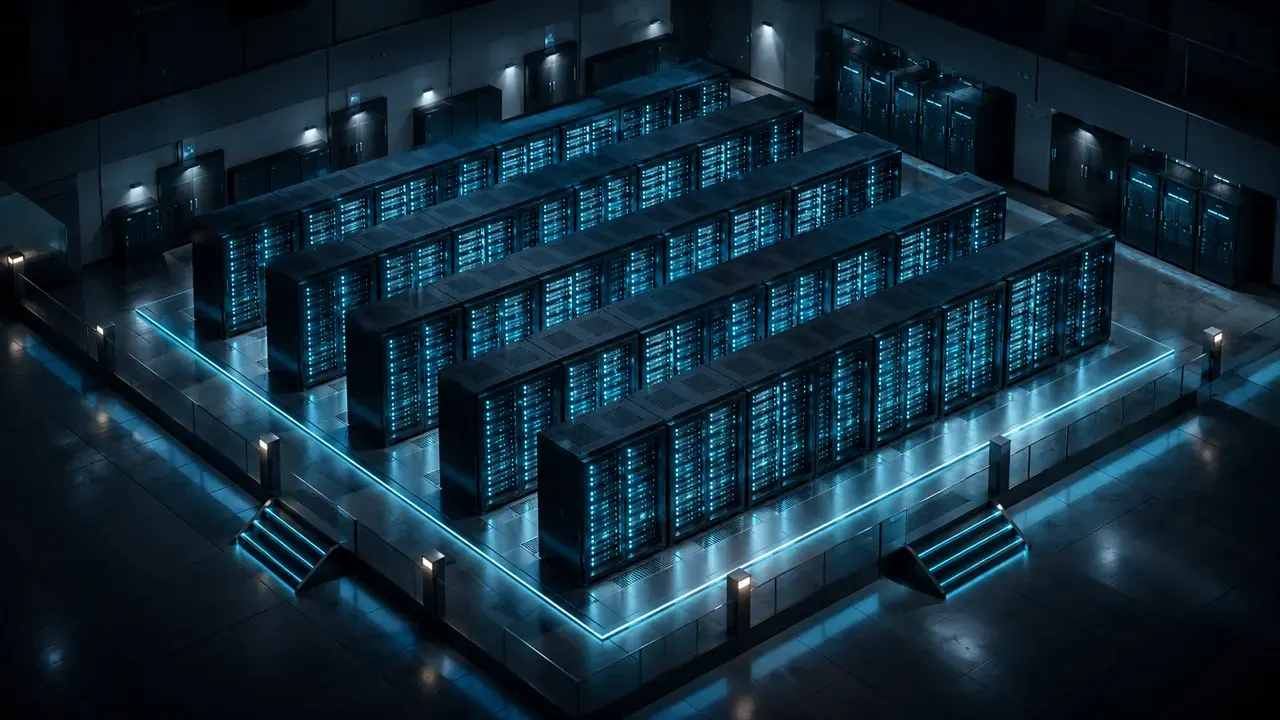
Masayoshi Son, CEO of SoftBank Group, told attendees at the company annual conference in Tokyo on Tuesday that the development of AI will require 5 trillion dollars in annual global investment by 2040, spanning data centers, electricity grids, and semiconductor manufacturing. He dismissed concerns of an AI bubble as absurd.
Son predicted that 100 trillion AI agents will be deployed globally within 15 years. Humanoid robots will take the main role in physical labor, replacing humans, he told the audience, as reported by AsiaOne.
The SoftBank founder went further, forecasting that AI will account for 20 percent of global GDP by 2040. He also pointed to nuclear fusion as the most realistic long-term solution for meeting the ballooning energy demands of AI data centers, according to The Next Web.
Son emphasized that SoftBank must expand aggressively overseas, particularly in the United States, to remain competitive in the AI race. The remarks come as SoftBank continues to position itself at the center of AI infrastructure investment through its Vision Funds and partnerships with chipmakers and cloud providers.
The scale of these projections, 5 trillion dollars annually is roughly equivalent to Japan current GDP, underscores the magnitude of the bet that the technology industry is placing on AI.
Sources: AsiaOne, The Next Web
孫son软银称AI需每年投入五千亿美元到2040年 dismisses泡沫论
孙正义在东京软银年度会议上提出了大胆愿景:到2040年每年投入5万亿美元的AI投资,100万亿AI代理人,以及人形机器人取代人类体力劳动,孙正义称这是吹牛。
软银掌门人称到2040年AI需投入每年5万亿 驳斥泡沫论 孟晚舟在东京举行的软银年度大会上展示了雄心勃勃的愿景:到2040年,投入每年5万亿美元的AI投资、100万亿个A AI代理和 humanoid机器人取代人类体力劳动。她称泡沫言论荒谬。© 欧洲联盟,2026
More Hourlies Stories
Content on Anagnorisis is summarized, paraphrased, and editorialized from publicly available sources for length and clarity. Original sources are linked where available. All trademarks belong to their respective owners.