
Hourly ·
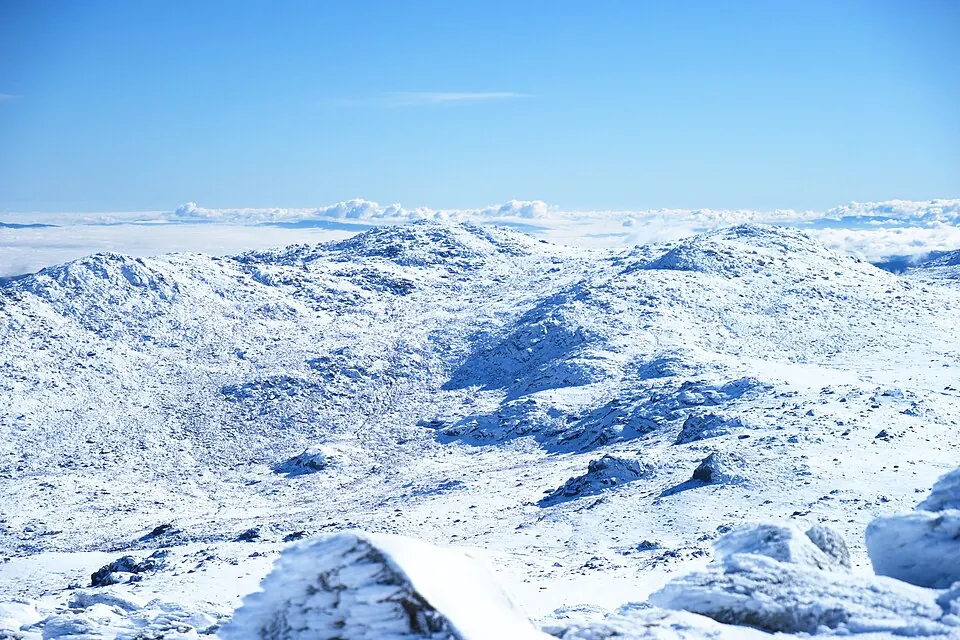
Lost in the Snowy Mountains, Found by AI — Drone Rescue Makes Australian History
Two hikers lost in Kosciuszko National Park became the first people rescued by Fire and Rescue NSW's AI-powered drone system, found in under five hours by thermal imaging and real-time object detection in pitch darkness.
Two men in their twenties, reported overdue on a frigid Tuesday night in Kosciuszko National Park, are alive today thanks to an artificial intelligence system that had never been used for a hiker rescue before.
The pair had veered off the Dead Horse Gap walking track, about 35 kilometres southwest of Jindabyne in the Snowy Mountains. With temperatures dropping and darkness closing in, NSW Police formed an Alpine Search and Rescue team with State Emergency Service volunteers — but ground crews faced a needle-in-a-haystack search across dense bushland.
Fire and Rescue NSW (FRNSW) answered the call with a Remotely-Piloted Aircraft System, one of a fleet of AI-equipped drones introduced over the past 18 months as part of a statewide technology upgrade. The drone carries four cameras including infrared, and its onboard AI software analyses thousands of images per second in real time — flagging human-shaped heat signatures against the cold mountain terrain.
Within hours of launch, the system detected the hikers roughly 500 metres off the walking track. Its thermal camera zoomed in to confirm the find, while the lost pair used a red light on a mobile phone to signal the drone in the dark. The FRNSW operator then activated the drone's spotlight to guide ground crews directly to their location.
"That was a needle-in-a-haystack job. The drone turned hours of dangerous grid-searching into a precision extraction," FRNSW Inspector Russell Turner said. The drones also feature augmented reality mapping that overlays fire trails, bush tracks, and roads onto the operator's screen — effectively giving rescue teams a real-time tactical map from above.
The entire rescue, from the initial call to the hikers being walked out, took less than five hours. FRNSW confirmed it was the first time the AI detection system had been successfully deployed to find a missing hiker, marking a significant milestone for emergency services technology.
The Snowy Mountains rescue lands at a moment when AI is being deployed in increasingly life-or-death contexts — from autonomous sea drones rescuing downed helicopter crews in the Strait of Hormuz, to volunteer drone pilots spotting hundreds of sharks near populated Australian beaches. What was science fiction a decade ago is now reaching into the real world with measurable results: two lives saved, in under five hours, on a cold night in the Australian Alps.
Sources: ABC News, Fire and Rescue NSW, The Guardian
雪中失蹤,AI助 rescue——无人机救援開創澳大利亞歷史
两徒步者在考斯库兹国家公园失踪成为NSW消防救援局的AI驱动无人机系统首次营救对象,通过红外热像和实时物体检测在黑暗中五小时内被发现。
← Hourlies Hourly · 2026-06-28 04:00 UTC 失踪在雪山上,AI发现 — 灵活救援为澳大利亚历史添彩 两名徒步者在科西图兹国家公园失踪后,在黑暗中仅用5小时内被新州消防局的AI驱动无人机系统救出,这是该系统的首次成功应用。 图片:Dhx1, 公共领域(许可证) 两人均为二十多岁。
More Hourlies Stories
Content on Anagnorisis is summarized, paraphrased, and editorialized from publicly available sources for length and clarity. Original sources are linked where available. All trademarks belong to their respective owners.