
Hourly ·
First Photos Reveal SpaceX Rocket Crash Site on the Moon
South Korea's Danuri lunar orbiter has captured the first images of a blackened crater left by a SpaceX Falcon 9 upper stage that slammed into the Moon at over 5,000 mph. The impact near Einstein crater marks a rare opportunity for scientists to study an unplanned high-velocity lunar collision.
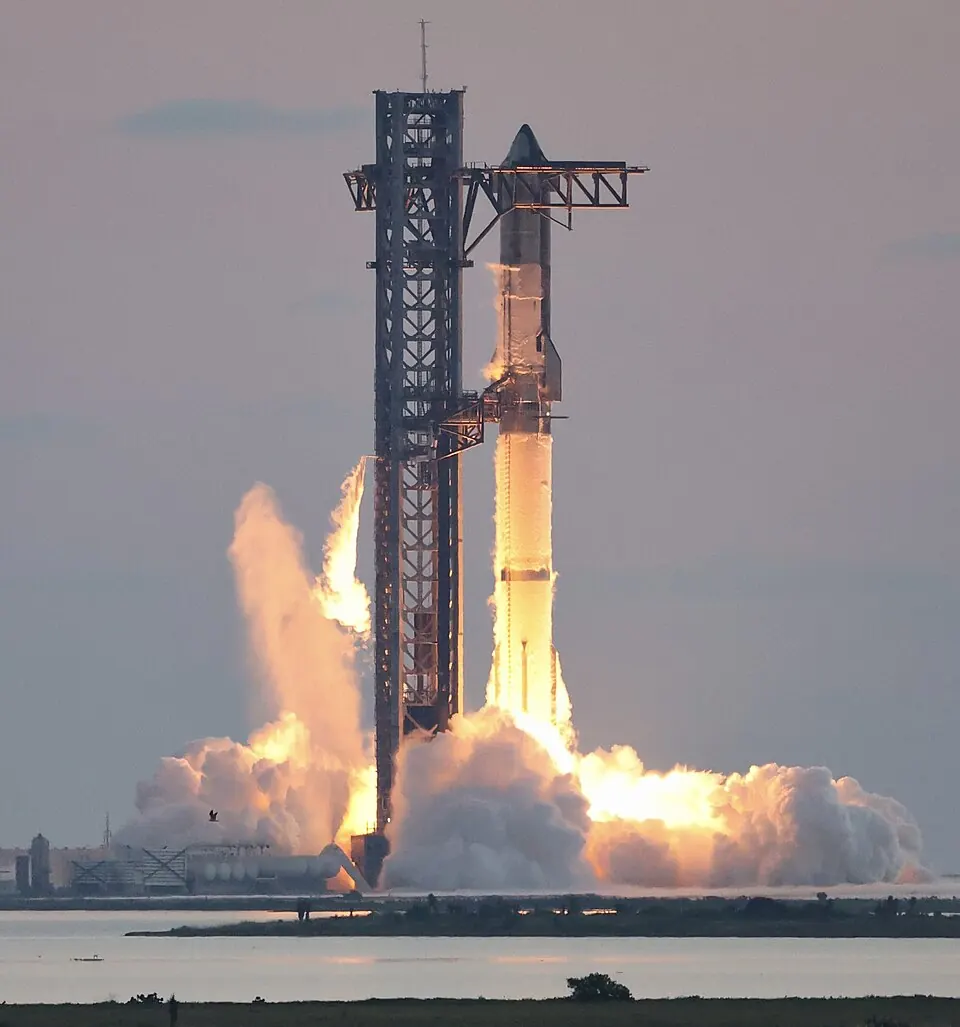
In the early hours of Wednesday, August 5, a spent SpaceX Falcon 9 upper stage traveling at more than 5,000 mph (8,000 km/h) collided with the Moon — and now we have the first photographic evidence.
Images captured by South Korea's Danuri lunar orbiter and shared by the Korea AeroSpace Administration on Thursday reveal a small, blackened crater near Einstein crater, on the Moon's northwestern limb. The impact occurred around 2:35 a.m. ET, close to the terminator zone where lunar day and night meet.
The 3,900-kilogram rocket stage had been adrift in a chaotic orbit for years after launching a space weather satellite in 2015. Unlike the carefully planned impacts of NASA's LCROSS mission or China's Chang'e missions, this was an accidental collision — a piece of space junk meeting its final destination.
A Crater 90 Feet Wide
A preprint study published earlier this week predicted the crash would carve out a crater roughly 90 feet (27 meters) wide and up to 16 feet (5 meters) deep. While too small to be seen from Earth even with a good backyard telescope, the scar is plainly visible in Danuri's orbital imagery.
Scientists at the European Southern Observatory's Very Large Telescope in Chile reported seeing evidence of a debris plume lifting off the lunar surface shortly after the collision, though no photos of the plume itself have been released yet.
NASA's Lunar Reconnaissance Orbiter, which has been mapping the Moon since 2009, is expected to examine the crash site in the coming days, potentially providing higher-resolution measurements.
A Rare Scientific Opportunity
While unplanned, the impact offers lunar scientists an unusual opportunity. "Every fresh crater is a window into the subsurface," planetary scientists note — the exposed material can reveal details about the Moon's regolith composition that are normally hidden.
The Moon has no atmosphere to burn up incoming objects, so its surface preserves a billions-year record of impacts. This newest addition, though tiny by lunar standards, joins that ancient catalog.
SpaceX has not issued an official statement on the crash. Elon Musk shared impact simulation footage on social media without additional comment.
Sources: Live Science, inkl
第一张照片展示了月球上SpaceX火箭坠毁现场
南韓的Danuri月球軌道器拍攝了 SpaceX Falcon 9 上段在超過每小時5000英里的速度撞击月球後留下的黑化著名 crater的第一張照片。此次衝突靠近Einstein环形山,为科学家提供了一次罕见的机会来研究一次未计划的高速月球撞击。
← 每小时播报 · 2026-08-08 00:00 UTC 首张照片揭示 SpaceX 火箭在月球上的撞击现场 南韩的 Danuri 月球探测器已拍摄到 SpaceX Falcon 9 上级火箭撞向月球后形成的黑色环形坑。这次撞击发生在爱因斯坦环形山附近,为科学家提供了一次观察计划外高速月球碰撞的机会。
More Hourlies Stories
Content on Anagnorisis is summarized, paraphrased, and editorialized from publicly available sources for length and clarity. Original sources are linked where available. All trademarks belong to their respective owners.