
Hourly ·
Climate change and El Niño supercharged Typhoon Dolphin, the farthest-origin storm ever to hit China
Dolphin formed 6,000 km from the coast, lived three times longer than a typical typhoon, and shattered rainfall records across inland China. Scientists say a warmer climate and El Niño supplied the fuel.
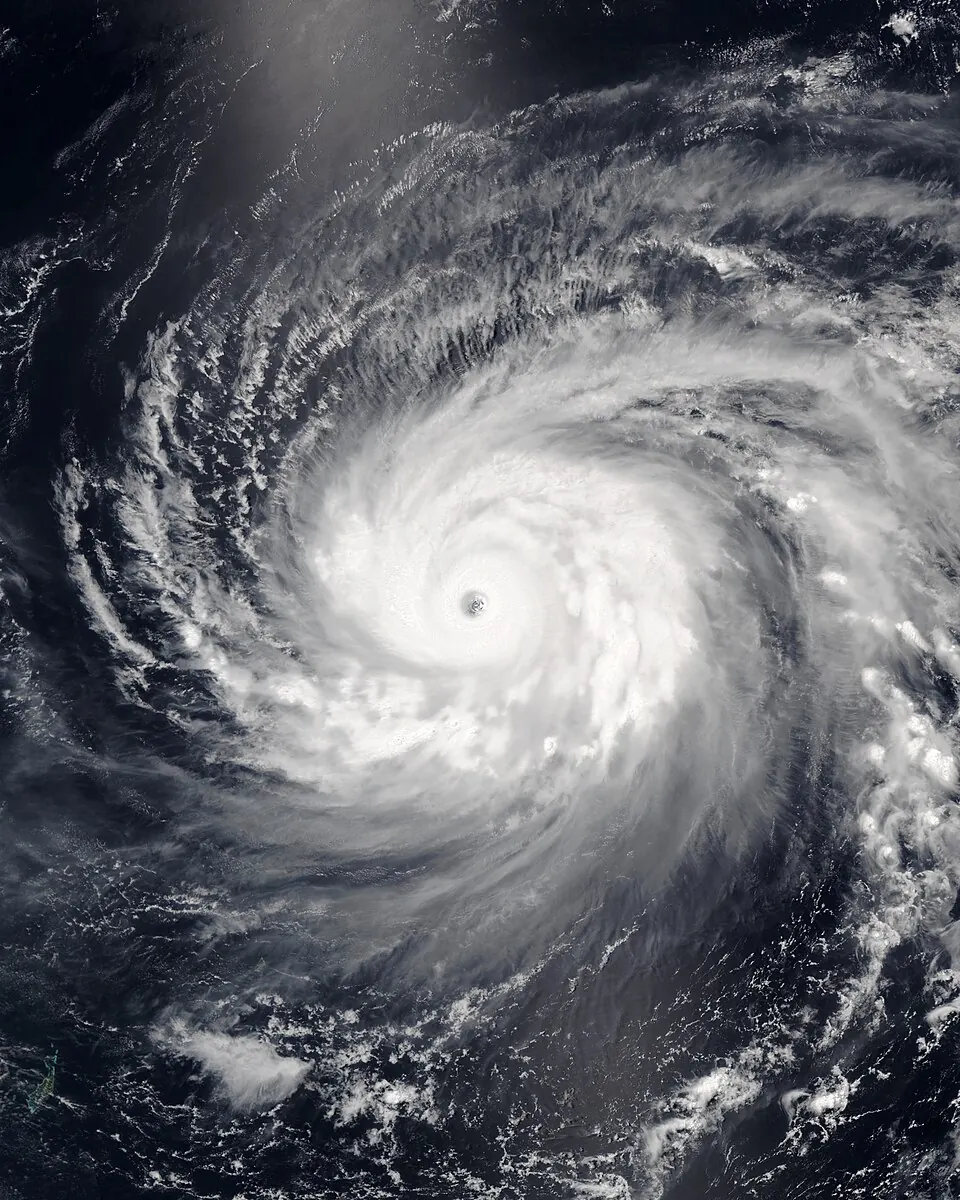
Typhoon Dolphin has moved off the coast, but it is still raining. The storm — the 13th typhoon of the year — made landfall in Zhejiang province on Sunday, then kept dumping record rainfall across eastern, central and northern China, hundreds of kilometres from the sea.
Dolphin was no ordinary storm. It formed near the International Date Line, roughly 6,000 km east of Zhejiang, making it the farthest-origin typhoon ever to make landfall in China. Its 16-day lifespan was about three times that of a typical typhoon.
The rainfall figures are extreme. Single-day records were smashed at 13 weather stations nationwide. Zhejiang province averaged 215 mm between Aug 7 and 11 — a record for any typhoon landfall there — while the city of Taizhou averaged 438 mm. Pushing inland, the storm rewrote records across Hubei and Henan, and even grazed Beijing, where one district soaked up 90.7 mm in a single hour, its highest hourly total since records began in 1954.
The Global Times reported the remnants are expected to stall near the Hubei–Henan–Anhui border and collide with cold air, triggering another round of heavy rain. Henan activated a Level II flood-control response after a village in Yexian county recorded 356.9 mm of rain, and China Daily said more than 65,000 residents have been relocated. The Guardian reported thousands more were evacuated in Beijing, where forecasters warned of more than 150 mm in 24 hours — over a third of the capital's average annual rainfall.
The science behind the fury: a warmer atmosphere holds roughly 7% more water vapour for every degree of warming, giving storms a bigger reservoir to draw on. Meanwhile El Niño pushes typhoon formation further east, granting storms a longer stretch of warm ocean to intensify over. Researchers cited by AsiaOne estimate the probability of a typhoon striking East Asia has climbed from 33% to 65% — and they expect more storms like Dolphin this year.
气候变迁和厄尔尼诺共同激化了最强台风 Dolphin,它也是首次登陆中国的风暴
鲸鱼离海岸线有6000公里,寿命是典型台风的三倍多,并打破中国内陆的降雨记录。科学家称,变暖气候和厄尔尼诺提供了燃料。
← 每小时 每小时 · 2026-08-13 08:00 UTC 极端气候和厄尔尼诺助长了台风 Dolphin Dolphin,这是有记录以来离中国海岸最远的风暴。Dolphin形成于距离海岸线6000公里的地方,生命期是普通台风的三倍之长,并在中国内陆地区打破了雨量纪录。科学家表示,变暖的气候和厄尔尼诺提供了燃料。 图片来源:NOAA 公共领域(许可) 台风 D Dolphin
More Hourlies Stories
Content on Anagnorisis is summarized, paraphrased, and editorialized from publicly available sources for length and clarity. Original sources are linked where available. All trademarks belong to their respective owners.