Hourly ·
An mRNA Vaccine Just Shrank the Deadliest Childhood Cancer by 70%
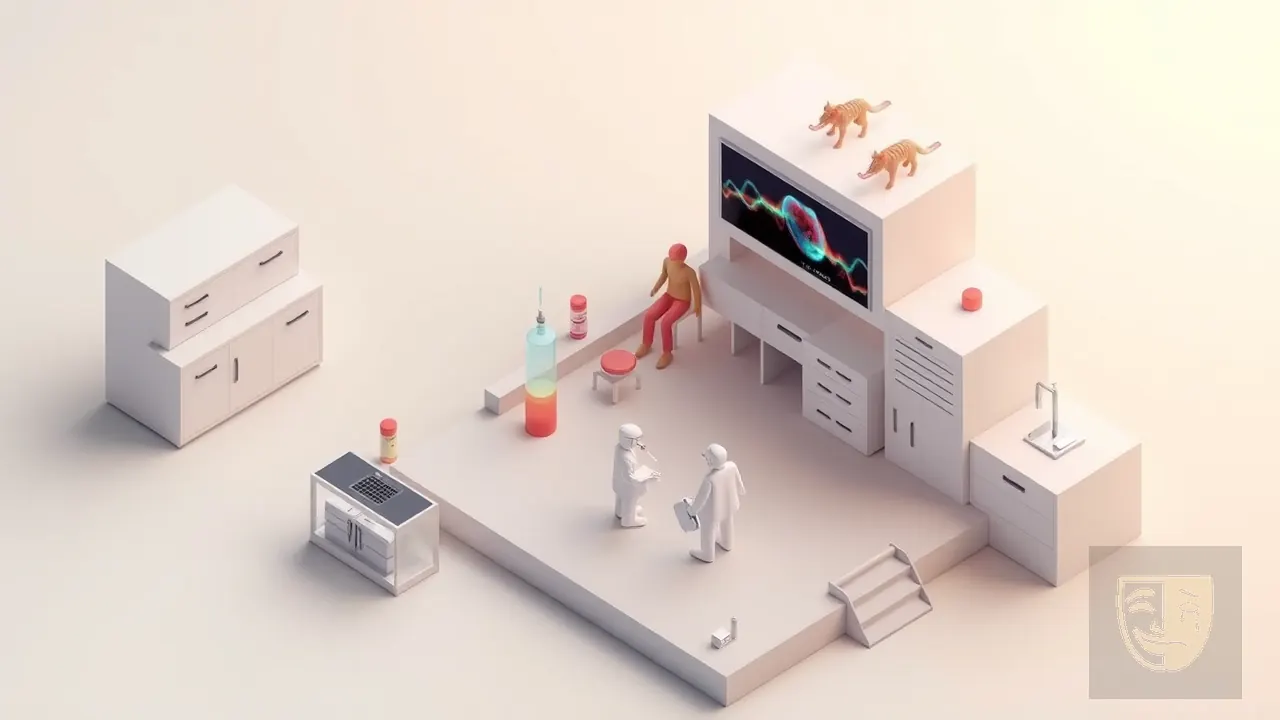
RCSI researchers in Dublin have delivered the first preclinical evidence that an mRNA vaccine can take on neuroblastoma — the deadliest childhood cancer. Tumors shrank by 70% in preclinical models.
The mRNA revolution that gave us COVID-19 vaccines in record time has just opened a new front: childhood cancer.
Researchers at RCSI University of Medicine and Health Sciences in Dublin have produced the first preclinical evidence that an mRNA vaccine can effectively target neuroblastoma — the deadliest solid tumor in children, responsible for 15% of all childhood cancer deaths.
The numbers are stark. In Ireland, five to ten children are diagnosed with neuroblastoma each year. Globally, 80% of patients show no significant response to current treatments. When the cancer returns after initial therapy, it becomes especially ruthless, developing resistance to existing drugs and leaving families with few options.
Led by Dr. Olga Piskareva, the RCSI team built an mRNA vaccine carried by self-assembling peptide nanoparticles that target glypican-2 (GPC2) , a protein found on the surface of neuroblastoma cells. The results, published in Molecular Therapy Oncology, are striking: the vaccine delayed tumour development by 10–11 days and reduced tumour size by 70% in preclinical models.
Dr. Piskareva described the mRNA platform as "like LEGO bricks" — modular, precise, and tailorable to individual patients. "This pilot study indicates promising potential in the development of anticancer vaccines for neuroblastoma, offering new hope for children and families suffering from the disease," she said. "We are at the beginning of the mRNA vaccine development road, but the first milestone has been successfully completed."
The broader implications are significant. GPC2 also appears in several other cancers, meaning the same nanoparticle-mRNA approach could potentially be adapted to treat a wider range of tumours. The study was a collaboration with Queen's University Belfast and funded by the Irish Research Council, the Higher Education Authority, the Health Research Board, and the Conor Foley Neuroblastoma Cancer Research Foundation.
In a week dominated by AI IPO delays and market volatility, this story cuts through the noise — a reminder that the quiet, methodical work of biomedical research is still delivering breakthroughs where they matter most.
Sources: RCSI, Inside Precision Medicine, News-Medical.net
mRNA疫苗使最致命儿童癌症缩小了70%
浙江大学研究人员在都柏林首次提供了mRNA疫苗对抗神经母细胞瘤——最致命的儿童癌症 ——的临床前证据。模型中肿瘤缩小了70%。
← 小时精选 小时 · 2026-06-29 12:00 UTC 活性衣壳疫苗使最致命儿童癌症缩小70% RCSI 杜伦的研究人员已提供了首个临床前证据,证明 mRNA 疫苗可以对抗神经母细胞瘤——最致命的儿童癌症。 在临床前模型中,肿瘤缩小了 70%。刚刚开启的新战场是: mRNA 的革命,它使我们在短时间内就为 COVID-19 接种疫苗。
More Hourlies Stories
Content on Anagnorisis is summarized, paraphrased, and editorialized from publicly available sources for length and clarity. Original sources are linked where available. All trademarks belong to their respective owners.