Hourly ·
AI Mines Prion Proteins for Hidden Antibiotics — And Finds 1,179 of Them
University of Pennsylvania researchers used deep learning to scan 19.3 million peptide fragments from prion proteins and uncovered a massive cache of antibiotic candidates — molecules they're calling "prionins."
Prions have spent decades as biology's bogeyman — the misfolded proteins behind mad cow disease, CJD, and fatal insomnia. But a new study from the University of Pennsylvania's Machine Biology Group reveals they may have been hiding a medicinal treasure all along.
Using a deep-learning platform called APEX 1.1, researchers scanned 19.3 million peptide fragments derived from 2,897 prion and prion-like proteins across the tree of life. The AI flagged 1,179 sequences likely to have antibiotic activity — a new class of molecules they've named prionins.
"This work changes where we think antibiotics might be hiding," said César de la Fuente, senior author and director of the Machine Biology Group. "Prions have long been seen almost entirely through the lens of disease, but AI let us ask a different question: whether these proteins also encode useful molecular fragments. The answer appears to be yes."
The team selected 75 of the most promising candidates for lab testing against 11 bacterial pathogens, including drug-resistant strains. Fifty-nine inhibited at least one pathogen, and 42 demonstrated strong activity at low concentrations. Sixteen showed no measurable toxicity to human cells at the highest concentrations tested.
Two peptides — one from a fungus, another from a roundworm — were then tested in mice infected with Acinetobacter baumannii, a notorious multidrug-resistant pathogen. Both reduced bacterial loads comparably to polymyxin B, a last-resort antibiotic, with no treatment-related side effects.
"This is where the story becomes more than a computer screen," said Marcelo Torres, co-first author. "The AI search gave us a short list of candidates, but the important point is that many of those molecules worked in the lab, and two worked in an animal infection model."
The prionins work by disrupting bacterial membranes — the same mechanism used by many naturally occurring antimicrobial peptides. The study, published in Nature Microbiology, is part of a broader effort by de la Fuente's lab to mine "encrypted peptides" hidden inside larger proteins across the natural world, from extinct organisms to venoms.
Antimicrobial resistance is projected to kill 10 million people annually by 2050. AI-driven discovery that turns a class of proteins from neurological villain to pharmaceutical ally is the kind of plot twist the field desperately needs.
Sources: Nature Microbiology, Drug Target Review, PubMed
人工智能挖掘朊蛋白隐藏的抗生素——并发现了1179种
哈佛大学研究人员用深度学习扫描了1亿9千3百万种朊蛋白片段,并发现了大量的抗生素候选物——他们称之为“朊蛋白素”。
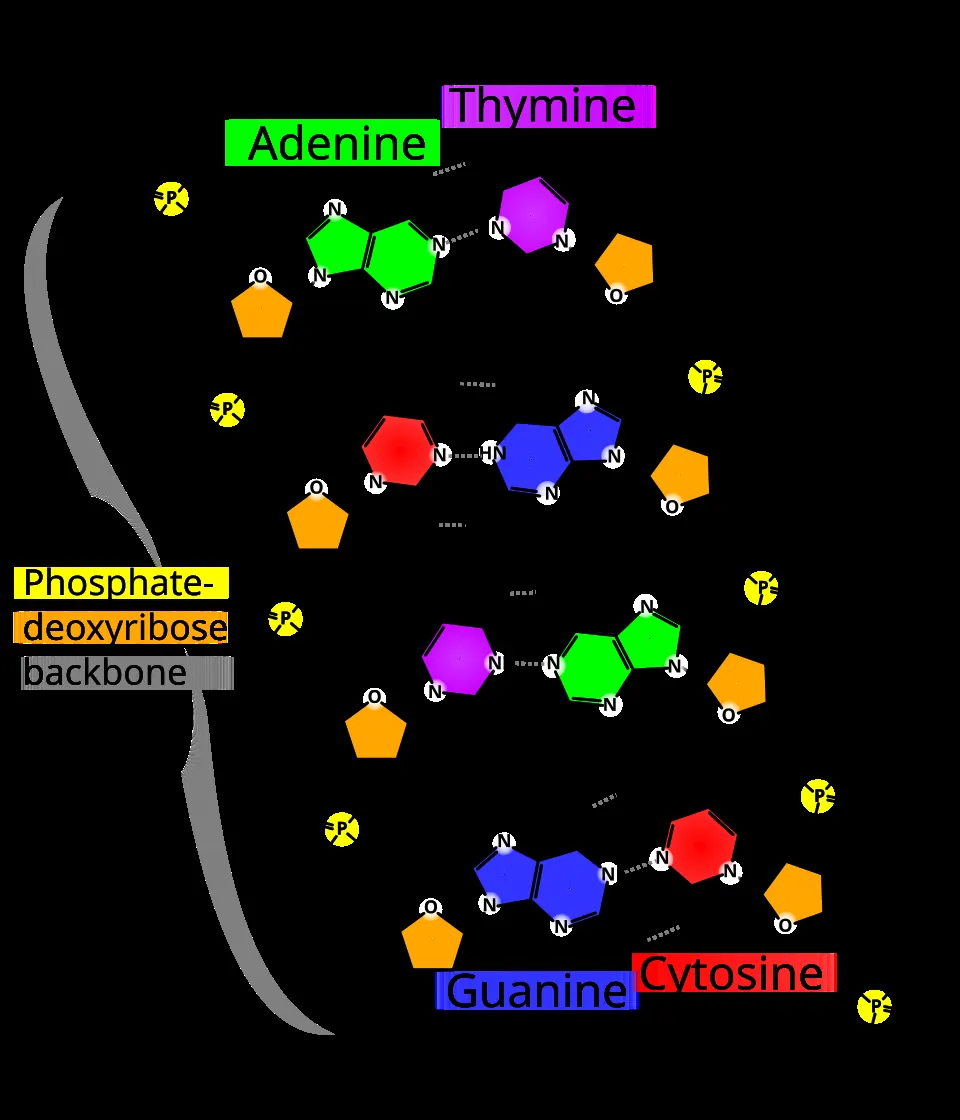
← Hourlies Hourly · 2026-06-30 06:00 UTC 华盛顿大学研究人员使用深度学习扫描了来自朊蛋白的1930万肽片段,发现了大量潜在抗生素分子——他们称之为“朊蛋白ins” ins”。 图片:Madprime (talk · contribs),CC BY-SA 3.0 (许可)
More Hourlies Stories
Content on Anagnorisis is summarized, paraphrased, and editorialized from publicly available sources for length and clarity. Original sources are linked where available. All trademarks belong to their respective owners.