Hourly ·
The Great Meme Reset Crashed Into Reality — And Nobody's Laughing
Six months after the internet tried to reset memes back to 2016, brainrot won — and Cloudflare just confirmed bots now outnumber humans online.
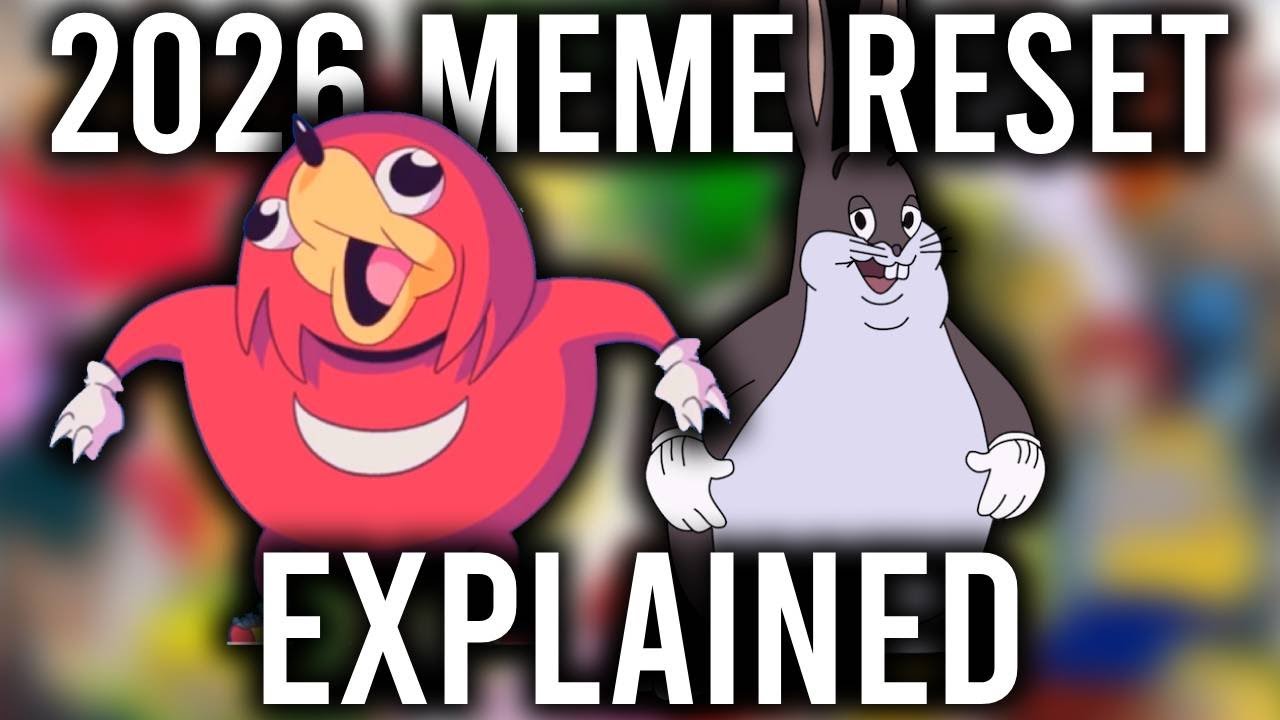
On January 1, 2026, thousands of TikTok users attempted something unprecedented: a coordinated rollback of internet culture. The "Great Meme Reset" demanded everyone abandon brainrot — the low-effort, AI-adjacent sludge dominating feeds — and return to the "dank" era of Big Chungus, Ugandan Knuckles, and Rage Comics.
It didn't work. Within days, the movement collapsed. "The Great Meme Reset is something that never happened and was never going to," reads the top response on Reddit's r/OutOfTheLoop as of January 2. The algorithm didn't care. Brainrot kept churning.
The movement, chronicled by WIRED and dissected in this viral breakdown, emerged from a genuine cultural hunger. Gen Z and Alpha weren't just bored — they were exhausted. Memes in 2025 had become so abstract, so detached from human experience, that even their defenders called them "brainrot." The reset was nostalgia as activism: a demand for memes that made sense, created by people, not engagement algorithms.
Six months later, the irony has teeth. Cloudflare's latest traffic report confirms bot traffic has officially surpassed human traffic for the first time in history. The Dead Internet Theory isn't a theory anymore. The Great Meme Reset didn't fail because people gave up — it failed because the internet is no longer a place where human culture can steer the ship. When machines generate more traffic than people, a grassroots meme movement is a message in a bottle thrown into a data center.
全民梗都崩了——但 nobody 笑了
六个月后,互联网试图将梗图重置回2016年,脑放获胜——而.cloudflare刚刚确认网上的 bot 已经超过人类。
← 小时榜 小时 · 2026-06-24 21:00 UTC "梗文重置"撞入现实——没人再笑 近六个月前,互联网试图将“梗文化”重新设定回2016年。最终,《脑洞》获胜了——而Cloudflare已经证实,网上的机器人数量超过了人类。 在2026年1月1日,成千上万的TikTok用户尝试了一项前所未有的事情:进行了一场互联网文化的集体“倒转”。 “伟大的梗文”重置行动于今年一月一日发起,数千名TikTok用户的联合行动试图重设网络文化。
More Hourlies Stories
Content on Anagnorisis is summarized, paraphrased, and editorialized from publicly available sources for length and clarity. Original sources are linked where available. All trademarks belong to their respective owners.