Hourly ·
SpaceX Shares Slide 35% From Peak One Month After Record-Breaking IPO
A month after the largest IPO in history, SpaceX shares have fallen 35% from their peak as the gap between AI hype and rocket economics becomes increasingly clear.
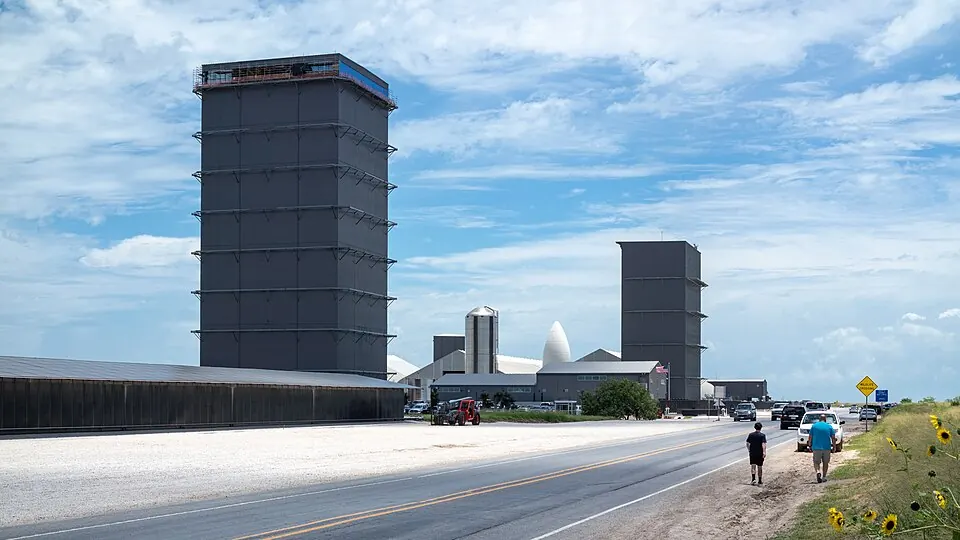
One month after Elon Musk's SpaceX pulled off the largest initial public offering in history, the stock is trading roughly 35% below its all-time high — leaving retail investors who bought in during the first week of trading deep underwater.
SpaceX priced its IPO at $135 per share on 12 June. The stock immediately surged, opening at $150 and reaching an intraday high of $176 on day one before closing at $160.95. Within its first week, shares hit $225, briefly pushing the company's market value past both Amazon and Microsoft.
But the exuberance didn't last. As of the end of its first trading month, shares were changing hands around $145 — 18% below the first-day high and 35% off the peak. When SpaceX joined the Nasdaq 100 index on 7 July, the index fell 1.7% while SpaceX dropped 4.4% on the same day.
"If you bought around the first tick you're definitely underwater," said Keith Snyder, an analyst at investment research firm CFRA. "It started to look a lot like a meme stock."
The reversal reflects a growing disconnect between SpaceX's valuation and its core business. While the IPO was heavily marketed as an AI play — the company acquired Musk's AI startup xAI, now renamed SpaceXAI, and began leasing data center capacity — its main revenue comes from rocket launches and the Starlink satellite internet service.
The tension became apparent when Starlink announced price cuts in Memphis, Tennessee, amid local concerns over a massive data center project. SpaceX shares fell 8% that day.
"Everyone saw SpaceX as an AI story," said Willy Lee, an investor at Neosteller. The market is now grappling with what the company actually earns.
Musk has shown willingness to use SpaceX's volatile stock as a currency. When shares spiked on 16 June, the company announced it was acquiring Cursor, an AI coding startup, in an all-stock deal valued at $60 billion — effectively paid for by the stock surge itself.
Morgan Stanley, a lead banker on the IPO, initiated coverage last week with a $300 price target, suggesting the dip could be temporary. Musk has predicted SpaceX will generate $1 trillion in yearly revenue by 2030.
But Snyder expects shares to fall further, to around $115, which would value the company at approximately $1.5 trillion. For now, the gap between the AI narrative that drove the IPO and the rocket economics of the underlying business remains wide open.
Sources: BBC News
SpaceX的 shares 滑跌 35%,从一个月前创纪录的 IPO 的峰值回落
一个月前史上最大规模IPO之后, SpaceX 股价已从高峰下跌了 35%,AI 热潮与火箭经济之间的差距日益明显。
← Hourlies 小时新闻 · 2026-07-13 06:00 UTC SpaceX股份下跌35%,一个月前创历史最大IPO后 SpaceX一个月前在Elon Musk的带领下成功完成了史上最大的首次公开募股 (IPO),但如今其股价已经从最高点回落了35%。这表明,人工智能(AI)领域的热潮与火箭经济学之间的差距正在逐渐显现。图片:美国得克萨斯州春田的Alexander Hatle Hatley,CC BY 2.0(许可) 在一个月前完成创纪录IPO后
More Hourlies Stories
Content on Anagnorisis is summarized, paraphrased, and editorialized from publicly available sources for length and clarity. Original sources are linked where available. All trademarks belong to their respective owners.