
Hourly ·
El Niño Is Already Wreaking Havoc on Pacific Fisheries
The climate phenomenon is creating winners and losers across the fishing industry — Peru canceled its anchovy season while Southern California sees record tuna catches.
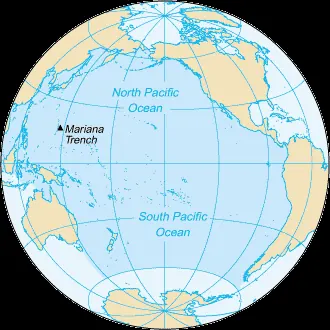
El Niño, the periodic warming of the tropical Pacific Ocean, is scrambling fisheries across the globe — and the effects are wildly uneven.
Peru has effectively canceled its anchovy fishing season, one of the country's most important exports and a leading global source of fish oil and animal feed. The Indian government is bracing for a season of smaller, less plentiful mackerel. Meanwhile, Southern California fishers are reporting some of the best tuna fishing they've ever seen — calling the weather phenomenon a "special treat."
The divergence comes down to ocean dynamics. Under normal conditions, trade winds push warm water westward, allowing cold, nutrient-rich water to rise from the depths — a process called upwelling that feeds the marine food chain. During El Niño, weakened winds suppress upwelling, starving species near the equator while pushing warm-water fish like skipjack tuna toward coastal waters where they become easier to catch.
"People are worried," said Juan Carlos Sueiro, fisheries director for the nonprofit Oceana Peru. As climate change is expected to drive more frequent and stronger El Niños, "our vulnerability is increasing."
The impacts extend beyond fishing economies. High ocean temperatures can decimate coral reefs, accelerate kelp deterioration, and reduce underwater oxygen levels. The Humboldt squid — which yields half a million tons of catch per year for Peru's artisanal fishers — tends to fare poorly during El Niño events.
Seafood prices are already showing volatility. Wild salmon in North America can become so thin from lack of food during El Niño that fishers call them "snakes," driving up ex-vessel prices. The exact toll depends on how the current El Niño develops — exceptionally high temperatures in September could signal damage on par with the devastating 1982 event.
Sources: Wired, NOAA Climate.gov
厄尔尼诺已经 havoc 碎乱 北太平洋 渔业
气候现象在渔业行业创造出赢家与输家——秘鲁取消了沙丁鱼捕捞季,而南加州则创下纪录级别的金枪鱼捕获量。
← 每小时资讯 · 2026-07-11 10:00 UTC 厄尔尼诺现象正给太平洋渔业带来破坏性影响 随着气候现象在渔业界制造赢家和输家——秘鲁取消了鳀鱼捕捞季,而南加州却创下了记录的金枪鱼捕获量。 图片:CIA世界事实信息手册,公共领域(许可证) 厄尔尼诺现象是对太平洋热带地区温带洋面周期性变暖的影响
More Hourlies Stories
Content on Anagnorisis is summarized, paraphrased, and editorialized from publicly available sources for length and clarity. Original sources are linked where available. All trademarks belong to their respective owners.