Hourly ·
Amazon Caught Destroying Rare Books to Train AI After a Bookseller Hid an AirTag in a Bulk Order
A tracking device planted inside a rare book led 404 Media to an Amazon AI training facility in Las Vegas, confirming long-held fears that tech giants are buying rare books in bulk to scan and destroy for training data.
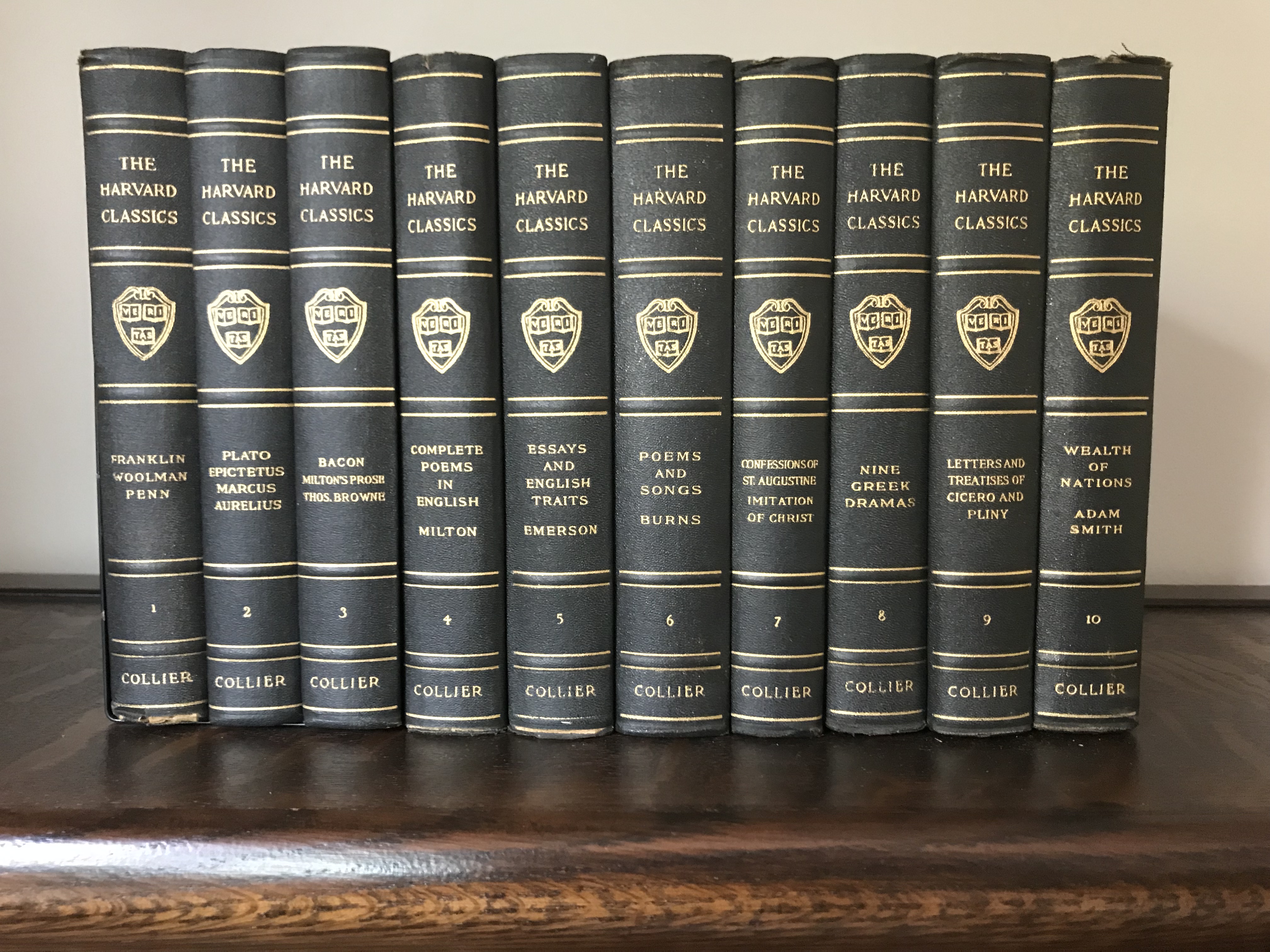
Booksellers have suspected for more than a year that AI firms are quietly buying rare books in bulk, scanning them, and destroying them for training data. This week the suspicion hardened into proof. The investigative outlet 404 Media persuaded a bookseller to hide an AirTag inside a rare book from a bulk order, then tracked the device to an Amazon AI training facility in Las Vegas.
The warehouse, identified internally as VGT3, houses a crew whose job is to tear books from their spines and scan the pages. Its door bears a logo of a Tyrannosaurus rex preparing to devour a book — a detail that landed badly amid a growing backlash over destructive book scanning. Amazon declined to address the AI connection directly, offering only that it "purchases books through commercial channels to help develop and improve the products and services our customers use."
The motive is blunt. Frontier models need enormous volumes of text that cannot be found on the open web, and anything published before 2022 is guaranteed not to have been written by an AI — a hedge against the "model collapse" that occurs when models train on their own synthetic output. Workers reportedly said the facility ran low on books to scan earlier this year, and crews were trained to log barcodes and ISBNs before scanning — which booksellers read as evidence of a methodical push to work through every printed book ever assigned an ISBN.
The debate is already fracturing. Rivals Anthropic and xAI have publicly said they do not train on rare or antique books, while investor Michael Burry reportedly called the practice "evil incarnate." Booksellers stress that the destroyed works — often obscure, never-translated, or lightly circulated titles — carry historical and sentimental value that AI companies "don't care about. They just want the content as a bunch of words strung together."
Sources: 404 Media | Ars Technica | TechCrunch
亚马逊被发现销毁罕见书籍以训练AI, after 一本
一个内置在罕见书籍中的追踪装置引导404媒体找到了拉斯维加斯的亚马逊人工智能训练设施,证实了科技巨头大规模购买罕见书籍以扫描并销毁用于训练数据的长期担忧。
← 小时精选 小时 · 2026-08-17 23:00 UTC Amazon 被发现销毁稀有书籍以训练 AI:图书商隐藏一个AirTag在批量订单中引起调查。一本装有追踪设备的稀有书籍导致404 404 Media发现了拉斯维加斯的一个亚马逊AI培训设施,确认了科技巨头大规模购买稀有书籍用于扫描并销毁以获取训练数据的长期担忧。 图片:Valerius Tygart, CC BY BY-SA 4.0 ( lic
More Hourlies Stories
Content on Anagnorisis is summarized, paraphrased, and editorialized from publicly available sources for length and clarity. Original sources are linked where available. All trademarks belong to their respective owners.