Hourly ·
AI Makes the Moon and Mars Closer Than Ever
Predictive maintenance, autonomous mining robots, and AI-driven resource extraction are collapsing the timeline for off-world human settlement.
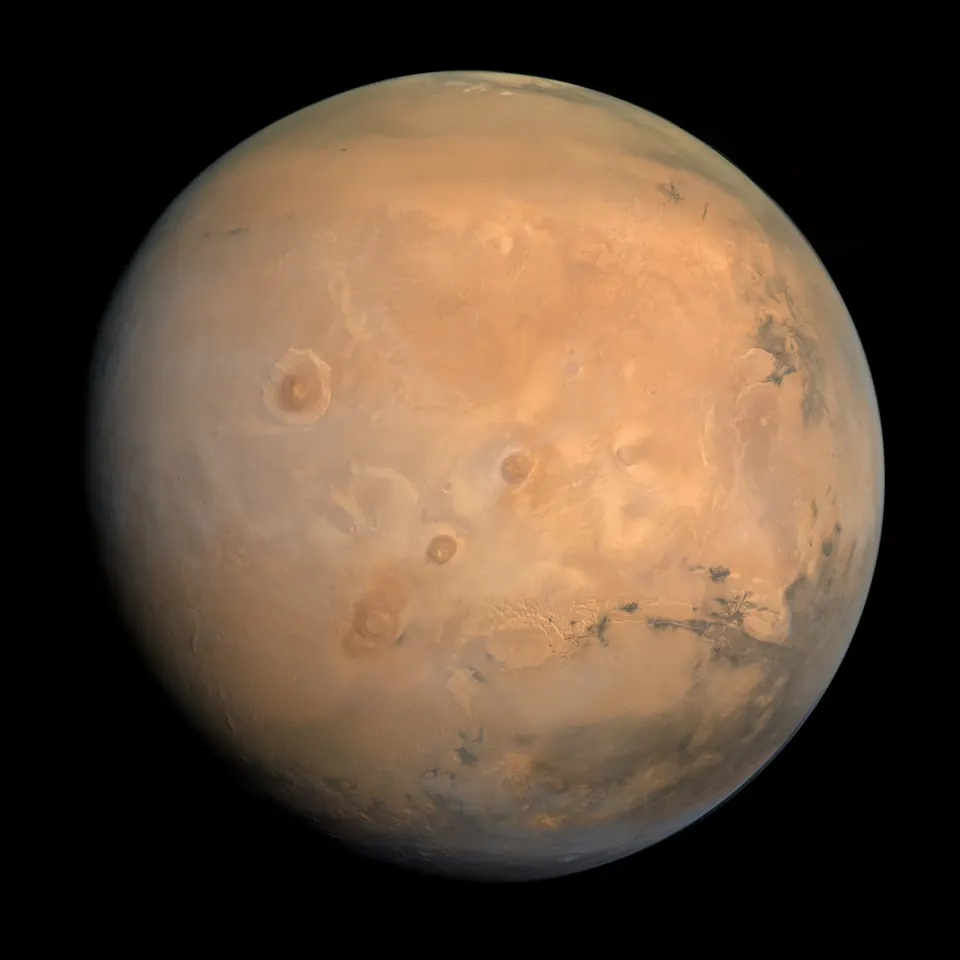
The dream of permanent human settlements on the Moon and Mars has always been constrained by one brutal reality: distance. When your nearest repair crew is 239,000 miles away and a round-trip communication delay stretches to 40 minutes, there is no room for failure. AI is changing that equation.
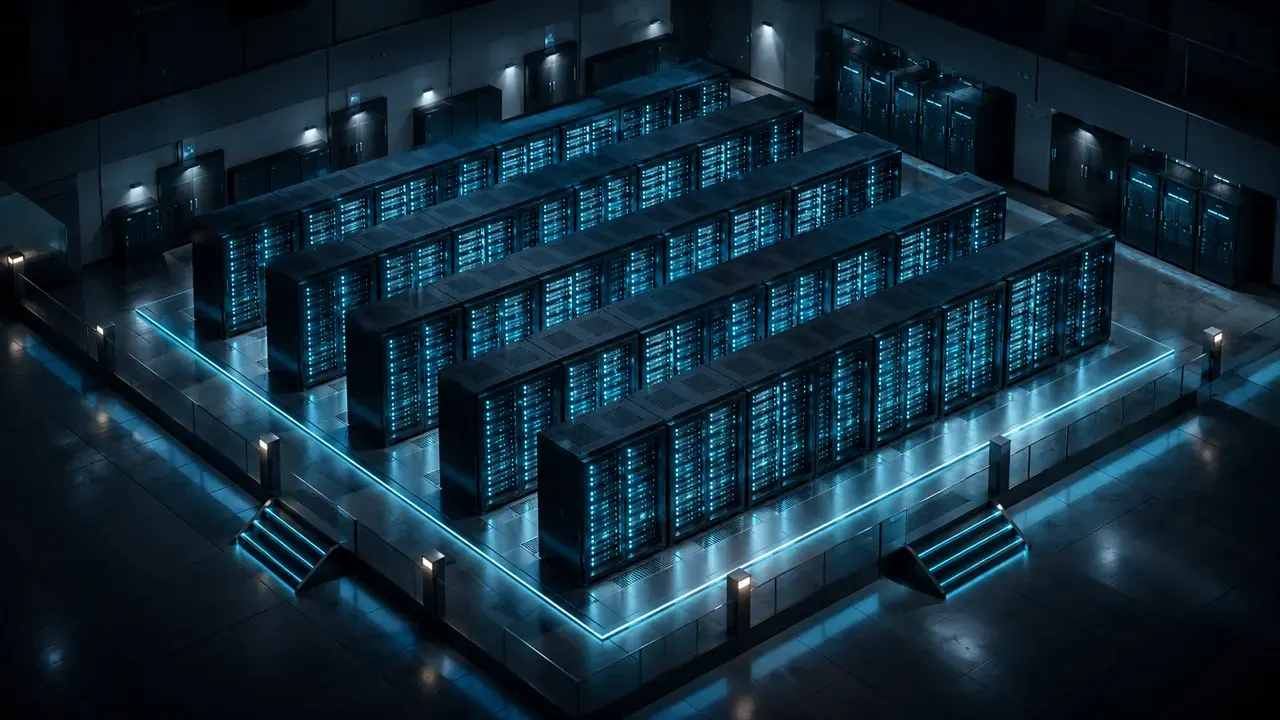
A new analysis from Futura-Sciences, based on an interview with Rice University's Sanjoy Paul at the Rice Nexus AI Houston initiative, maps out how three interconnected AI techniques are making deep-space habitation viable sooner than most expect. Predictive maintenance systems continuously monitor onboard parameters to catch component drift before failure. Time-series forecasting models estimate the remaining lifespan of critical hardware. And digital twins — virtual replicas of spacecraft — simulate performance under extreme stress, exposing structural weak points before physical deployment.
The economics shift even more dramatically with in-situ resource utilization. Transporting a single kilogram to low Earth orbit costs between $10,000 and $20,000; getting it to Mars costs far more. AI is the key to breaking this dependency. Algorithms trained on spectral, geological, and thermal data from orbital surveys can map water ice and mineral deposits before a single lander touches down. Autonomous robotic excavators capable of operating at -130°C can then extract subsurface ice and process regolith continuously, adjusting in real time when they hit physical obstacles. On Mars, AI-monitored Sabatier reactors can process the CO2-heavy atmosphere into oxygen and methane rocket propellant.
The urgency is matched by ambition on the corporate side. In a recent Fortune interview, Elon Musk detailed SpaceX's plans to turn the Moon into a manufacturing site, framing it as a necessary step toward a multi-planetary economy. "Pure insanity," he called the scale of the vision — and the timeline, he suggested, is shorter than most think.
The combination of AI-powered autonomy and private-sector drive is compressing decades of projected development into years. The Moon and Mars are no longer science fiction destinations. They're engineering problems — and AI is solving them faster than anyone predicted.
Sources: Futura-Sciences, Fortune
人工智能让月球和火星更近了
预测性維護、自主礦業機器人和基於AI的資源提取正在縮短太空人類定居的時間軸。
← 每小时 Hourly · 2026-08-10 08:00 UTC 人工智能让月球和火星的距离比以往任何时候都更近 预测性维护、自主采矿机器人以及基于 AI 的资源开采正大大缩短了地球外人类定居的时间表 图片:加利福尼亚州洛杉矶市的 Kevin Gill,CC BY 2.0(许可) 永久性的月球和火星上的人类居住的梦想一直受到限制。
More Hourlies Stories
Content on Anagnorisis is summarized, paraphrased, and editorialized from publicly available sources for length and clarity. Original sources are linked where available. All trademarks belong to their respective owners.