Hourly ·
AI-Accelerated Hunt for Room-Temperature Superconductors Yields Two New Materials
The SuperC consortium used machine learning to discover two new superconducting compounds — YRu3B2 and LuRu3B2 — demonstrating a method that could dramatically speed the search for a room-temperature superconductor, the holy grail of energy physics.
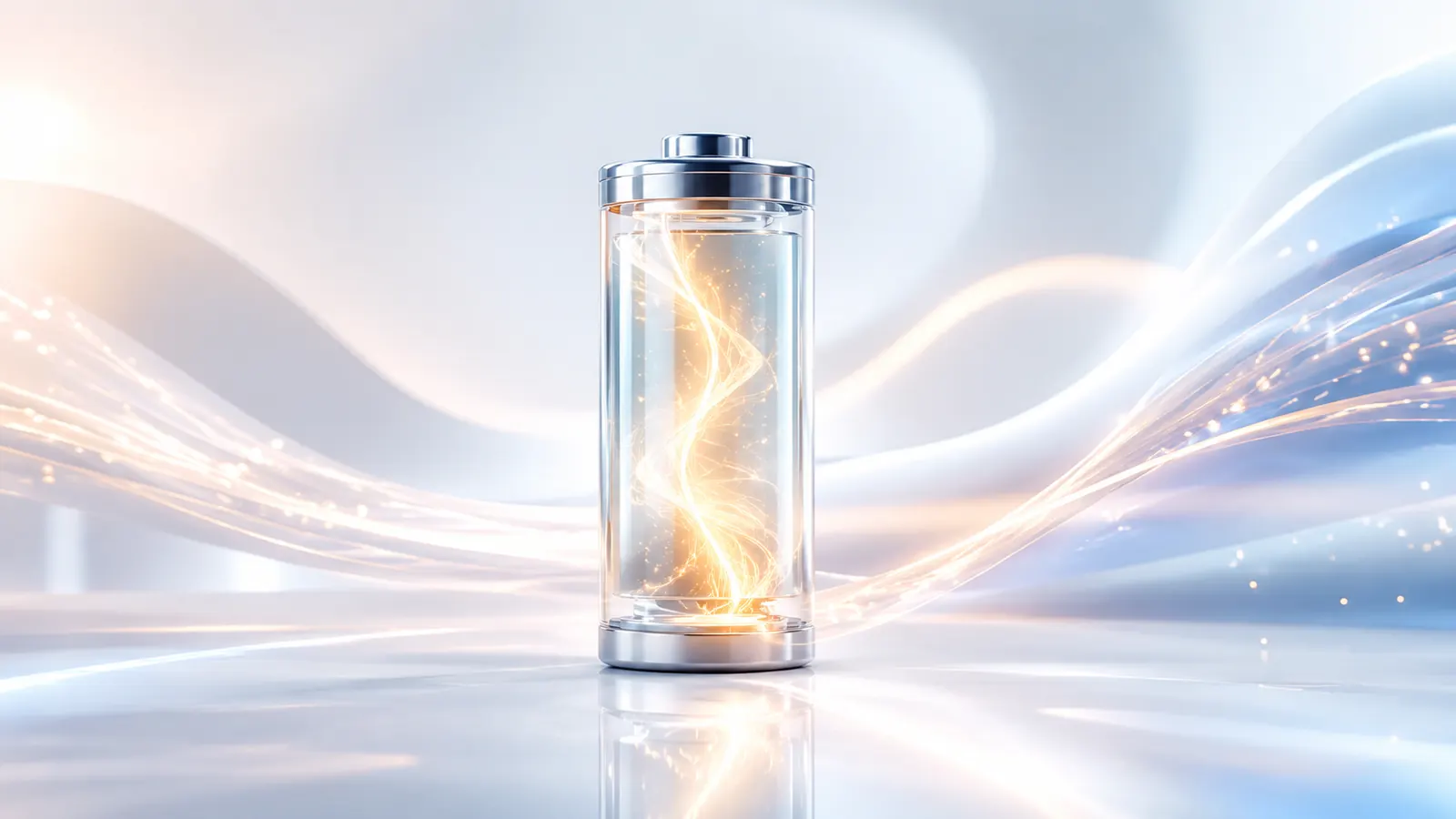
An international research consortium has demonstrated that machine learning can dramatically accelerate the discovery of superconducting materials, already yielding two new compounds in a breakthrough that brings the long-sought goal of room-temperature superconductivity closer to reality.
The SuperC consortium, led by Aalto University Professor Päivi Törmä, combined machine learning with advanced quantum physics to screen a vast space of possible elemental combinations. A specialized algorithm identified the most promising candidates, which were then validated through theoretical calculations and synthesized in the lab at Rice University under Professor Emilia Morosan.
The two newly discovered materials — YRu3B2 and LuRu3B2 — owe their superconducting behavior to electrons forming flat bands within a kagome lattice, a geometric arrangement inspired by traditional Japanese basket weaving. The proof-of-concept study was published in Physical Review Research.
Superconductors can carry electricity with zero resistance but only at extremely low temperatures. Over 7,000 have been identified across decades of research, but the process has been largely serendipitous — until now. The SuperC consortium, established in 2023, has set an ambitious target: find a room-temperature superconductor by 2033.
"Superconductive materials that can operate at room temperature would forever change the way we consume energy," Törmä said. Replacing conventional conductors in computers and data centers alone could slash global energy consumption and drastically reduce the heat footprint of the ICT sector.
The new ML-guided approach shifts superconductivity research from trial-and-error to a systematically accelerated pipeline, opening the door to thousands of potential new materials.
Sources: ScienceDaily, SciTechDaily, The AI Insider
人工智能加速搜寻常温超导材料取得两项新发现
超弦联盟利用机器学习发现两种新超导化合物——YRu3B2和LuRu3B2,展示了一种能够大幅加速寻找室温超导体的方法,后者是能源物理学中的圣杯。
← Hourlies Hourly · 2026-07-15 16:00 UTC 人工智能加速搜寻常温超导体取得成果 SuperC联盟利用机器学习发现了两种新的超导化合物——YRu3B2和LuRu3B2,展示了能够大幅加快寻找常温超导体的方法,这是能源物理学中的圣杯。国际科研合作正在进行中。 →
More Hourlies Stories
Content on Anagnorisis is summarized, paraphrased, and editorialized from publicly available sources for length and clarity. Original sources are linked where available. All trademarks belong to their respective owners.