Hourly ·
New York City Becomes First US City to Ban Deceptive Subscription Practices
NYC adopts a new rule requiring companies to provide simple cancellation for subscriptions, with fines up to $525 per user. A separate proposed rule targets 'junk fees' across housing, events, and rentals — requiring total price disclosure upfront.
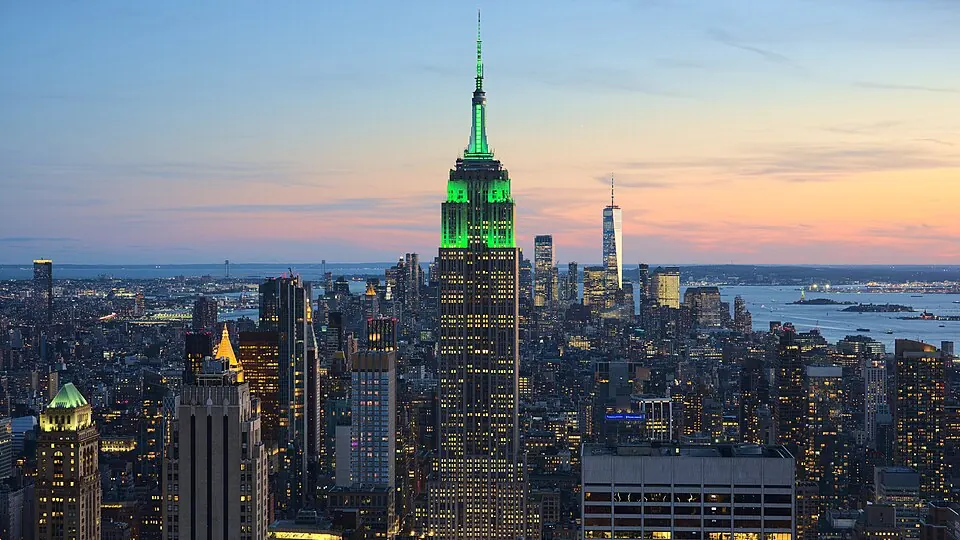
New York City has become the first city in the United States to adopt a rule banning deceptive subscription practices, taking aim at the maze of recurring charges that trap consumers into paying for gym memberships, streaming services, and other services they no longer want.
The new rule, effective October 1, 2026, requires companies to provide a simple way to cancel subscriptions. Violators face fines of $525 per user subscription, plus back fees and additional penalties. "People shouldn't have to wait on hold for half an hour or send a certified letter or show up to a store in person in order to cancel," said Samuel AA Levine, the city's commissioner of consumer and worker protection and a former head of consumer protection at the Federal Trade Commission.
The city is also targeting so-called "junk fees" — hidden charges that inflate the final price of everything from apartment rentals to sporting events. A proposed rule would require sellers to advertise the total price upfront, including all mandatory charges. In New York City, where roughly 70% of residents rent, the impact could be significant: management companies have increasingly tacked on fees for "boiler management" and "lifestyle" charges, pushing real rental costs hundreds of dollars above advertised prices.
The moves come from Mayor Zohran Mamdani's administration and represent an aggressive push to address the city's affordability crisis. The Roosevelt Institute estimates the subscription rule alone could save New Yorkers as much as $162.5 million per year.
The city-level action fills a gap left by federal inaction. A national click-to-cancel rule introduced by the Biden administration was struck down by a federal judge in 2025 on procedural grounds, days before it was set to take effect. The Trump administration's FTC subsequently declined to revive it. Industry groups have consistently fought such rules; the US Chamber of Commerce previously called the Biden-era junk fee proposal "an attempt to micromanage businesses' pricing structures," and apartment fees were ultimately cut from that federal rule after real-estate industry lobbying.
The junk fee rule is now open for public comment and a hearing, with Levine saying he hopes to finalize it by the end of 2026.
Sources: The Guardian, Hacker News discussion
纽约市成为首个禁止误导性订阅做法的美国城市
纽约市新规定要求公司提供简便的订阅取消服务,每用户罚款最高达525美元。另一份拟议规定针对住房、活动和租赁中的“垃圾费”——要求在总价前公开价格明细。
← Hourlies 小时版 · 2026-07-10 22:00 UTC 纽约市成为美国首个禁止误导性订阅行为的城市 NYC 新近实施了一项新规,要求公司提供简单便捷的取消订阅服务,并对违反此规定的行为处以每人最高525美元的罚款。另一份正在审议中的规规定针对住房、活动和租赁等领域内的“垃圾费”问题——要求所有费用在首次接触时进行全额披露。 图片:Dllu,CC BY-SA 4.
More Hourlies Stories
Content on Anagnorisis is summarized, paraphrased, and editorialized from publicly available sources for length and clarity. Original sources are linked where available. All trademarks belong to their respective owners.